


Featured Editorials
-
Unanimous Scottsdale City Council vote sets new course for WestWorld’s economic prosperity
Scottsdale Mayor Lisa Borowsky is making good on her promise to support the western heritage of ‘The West’s Most Western Town.” Scottsdale City Council, in a unanimous “yes” vote from all seven members, approved the WestWorld Strategic Plan during its March 24 meeting at City Hall, 3939 N. Drinkwate...Read more
-
Guest Editorial: Water – Lifeblood of the Desert Southwest
By Betty Janik & Sonnie Kirtley The desert southwest has suffered sustained drought since the mid 1990’s and this condition is expected to continue. Recent winters experienced record setting heat which intensifies the condition. Water from the Colorado River is hurting and by extension, the Cen...Read more
-
Bear Down, Arizona: Why the Wildcats’ Final Four Run Matters Beyond Basketball
When Jaden Bradley’s driving layup tied the game at 42 in the second half Saturday night in San Jose, something shifted. Not just the momentum in a tight Elite Eight against Purdue, but something larger, something that coursed through living rooms and sports bars from Tucson to Flagstaff. The ...Read more
Marketplace
-
A Kentucky Derby With Live Local Horseracing AND Scottsdale Polo Party Style Returns To Turf Paradise May 2
There is only one Kentucky Derby Party in Arizona for people who truly appreciate all things equestrian. Watch the Kentucky Derby simulcast on big screen TV’s AND live local horseracing at the Stella Artois Kentucky Derby DayClub May 2nd at Turf Paradise. And do it all in Polo Party Style luxury wit...Read more
-
Compass Arizona Announces Quail Run Manor, a $30M+ Ultra-Luxury Enclave Near The Ritz-Carlton in Paradise Valley
Approvals Clear Path for Four-Home Community Just South of The Ritz-Carlton Quail Run Manor, represented by Compass, has cleared a key hurdle in Paradise Valley, with the Town Council approving the entitlement of four luxury homesites and recordation of the plat now complete. With the subdivision no...Read more
-
Arizona White Wine Tasting, Cigar Lounge to Debut at Stella Artois Derby Dayclub, Sister Event to Scottsdale Polo Party, at Valley’s Only Horse Racing Track
New Cigar Lounge, White Wine Tasting Debut as Upgraded Venue Sets the Stage for an Upscale Kentucky Derby Celebration The Stella Artois Derby DayClub presented by Sanderson Lincoln returns Saturday, May 2, with a refreshed venue, upgraded experiences and brand-new ways to enjoy an unforgettable afte...Read more
Scrum
-
A Victory for All of Scottsdale. Thank You For Voting YES YES to Protect The McDowell Sonoran Preserve, Improve Scottsdale Parks, and Enhance Public Safety
By Mary Manross, Former Scottsdale Mayor and Chairwoman for Vote YES YES Scottsdale PAC and Carla, Preserve Pioneer and Campaign Coordinator for Vote YES YES Scottsdale PAC In most campaigns there are winners and losers. Not when it comes to the passage of Propositions 490 and 491 in Scottsdale whic...Read more
-
VOTE YES-YES FOR YOUR SAFETY
By Carla (Carla), Preserve Pioneer This year Scottsdale was fortunate when it came to wildfires. Next year we might not be so lucky. As every summer gets hotter and drier, nature and human caused fires are a fact of life in Scottsdale and our Preserve. Thanks to the quick response and hard work of o...Read more
-
Exclusive AZ Free News & Data Orbital Poll: Trump Holds Narrow Lead In Arizona As Economy, Border Dominate
Data Orbital, in conjunction with AZ Free News, is pleased to announce the results of its latest statewide, live caller survey of likely General Election Voters. The survey was conducted from September 7th 2024 – September 9th 2024. The survey measured support for candidates in Arizona’s Presi...Read more
Conservative's Corner
Four different grants were awarded to organizations, including the United Phoenix Firefighters (two separate grants), EMPACT Suicide Prevention, and Marana Health Center. Over 2,000 first responders and first responder families are expected to be served statewide over the next year through direct treatment, mental health services, and training.Read More
PHOENIX — Governor Doug Ducey announced today $300,000 in funding from the AZ Coronavirus Relief Fund has been allocated to organizations across the state that support senior citizens, the homebound and those who are medically fragile. The funding will support organizations that have provided much needed aid to vulnerable populations impacted by COVID-19, by assisting with grocery shopping, meal deliveries, transportation to medical appointments, emergency errands and social interaction during a time of physical distancing.
“Arizona continues to focus on protecting public health, especially for those most at-risk like seniors and those medically vulnerable,” said Governor Ducey. “Volunteer and community organizations across the state are working day and night to provide support for those in their care through additional food deliveries, transportation and other services — and we’re proud to support their efforts. Thank you to everyone who has donated to the AZ Coronavirus Relief Fund so we can protect at-risk Arizonans, and to everyone who has stepped up to help others.”
Recipients of the funding include:
-
Foundation for Senior Living (statewide)
-
Benevilla
-
Aster Aging
“We are so appreciative of this generous donation,” said Tom Egan, President and CEO of Foundation for Senior Living. “Our team has been working diligently to shift many of our programs to meal and food bag deliveries to seniors and adults with chronic health issues or disabilities. So far, we have seen our expenses increase by 25 percent and we’re anticipating the community will continue to need help throughout the summer. This donation will help offset our expenses and allow us to serve those in need. We are so grateful to Governor Ducey and the AZ Coronavirus Relief Fund!”
“We believe we are strongest when we work together,” says Joanne Thomson, President and CEO of Benevilla. “The support from the AZ Coronavirus Relief Fund Now will help provide much needed services to the most vulnerable population in our community. Working together we are able to help seniors with grocery shopping, emergency errands and more, we are able to provide support and friendship to caregivers who might feel overwhelmed and alone and continue to support families in our community during this time.”
“The support that Aster Aging has received from the AZ Coronavirus Relief Fund is truly making the difference for vulnerable older adults in the East Valley,” said Deborah Schaus, CEO of Aster Aging. “Requests for Meals on Wheels and our other basic need services have continued to grow as we strive to keep seniors safe during the pandemic.”
The AZ Coronavirus Relief Fund was established by Governor Ducey as part of the Arizona Together Initiative to provide financial support to non-profit organizations serving Arizonans most in need statewide. The AZ Coronavirus Relief Fund has collected more than $8.2 million to date. Arizonans can visit ArizonaTogether.org to learn more, donate and find volunteer opportunities.
“We’re incredibly proud that one of the world’s leading technology companies has chosen Arizona for this high-tech project, one with national and global significance,” said Governor Ducey. “TSMC could have picked any place in the world to build this advanced manufacturing factory. They chose Arizona for our unbeatable business climate, already thriving tech sector and ready access to an international supply chain. I’d like to thank TSMC Chairman Dr. Mark Liu for his commitment to Arizona. We are honored to be selected for this project and look forward to building a collaborative long-term relationship with TSMC. I’m very grateful to President Donald Trump for his leadership and tireless efforts to bring more manufacturing back to our shores. I’d also like to thank Secretary Ross, his team at the U.S. Department of Commerce including SelectUSA, and the Trump administration for their partnership.”
Arizona has long been a hub for the advanced manufacturing and semiconductor industries. The state’s skilled workforce, strong supply chain, strategic geographic location, commitment to pro-innovation policies and unmatched quality of life have continued to drive rapid industry growth and economic momentum. This new U.S. facility will enable TSMC to provide enhanced service to customers and partners and increase its ability to attract global talent.
The facility will utilize TSMC’s 5-nanometer technology for semiconductor wafer fabrication and have the capacity to produce 20,000 wafers per month. Construction is planned to begin in 2021 with production targeted to start in 2024. The Arizona facility will be the company’s second manufacturing operation in the United States.
Several sites in the City of Phoenix are still being evaluated for the location of the factory. The Arizona Commerce Authority will continue working with TSMC, the U.S. administration, the City of Phoenix and the Greater Phoenix Economic Council to finalize all aspects of the project.
PHOENIX — With Arizona food banks experiencing a spike in demand, Governor Doug Ducey today announced a $500,000 grant from the AZ Coronavirus Relief Fund for Arizona food banks to help fight hunger. Member organizations that are part of the Association of Arizona Food Banks/Arizona Food Bank, which is receiving the grant, supply a network of nearly 1,000 food pantries and organizations in all 15 counties in Arizona, some of which have experienced a demand up to five times greater than usual due to COVID-19.
“We want to make sure nobody goes hungry as we respond to COVID-19 and get people back to work,” said Governor Ducey. “With these dollars, Arizona food pantries across the state will be able to make more food deliveries and help more families, while implementing new protocols that prioritize public health such as drive-thru pick-ups. This grant is made possible because of the generous donations to the AZ Coronavirus Relief Fund, and my thanks goes out to everyone coming together and pitching in to help Arizonans in need.”
The Association of Arizona Food Banks/Arizona Food Bank Network is comprised of five regional food banks, including:
-
St. Mary’s Food Bank Alliance
-
Desert Mission Food Bank
-
United Food Bank
-
Community Food Bank of Southern Arizona
-
Yuma Community Food Bank
The food banks will use the funding to address the spike in demand, including: meeting the needs of individuals with disabilities; acquiring more packaging materials to deliver food; securing additional storage space; implementing further adaptations to promote physical distancing among clients; coordinating convenient drive-through food pick-ups; and more.
“These unprecedented circumstances have created an increased demand for our services to support Arizonans who are struggling to provide the most basic needs for their families,” said Angie Rodgers, President & CEO of the Arizona Food Bank Network. “This gift from the AZ Coronavirus Relief Fund will help to ensure small pantries in local communities stay open and ready for families in need during this time. We’re grateful for the support which will make a difference in our capacity to serve across the state.”
“Our deepest thanks to Governor Ducey and everyone who donated or raised money for the Arizona Coronavirus Relief Fund, making this gift to AzFBN possible. These dollars will help small food pantries statewide as they work to help Arizonans struggling with hunger,” said Michael McDonald, Chair of the Board of Directors, Arizona Food Bank Network, and CEO, Community Food Bank of Southern Arizona. “These charities are doing all they can to meet the increasing need, and this financial help for them truly couldn’t have come at a better time.”
The AZ Coronavirus Relief Fund was established by Governor Ducey as part of the Arizona Together Initiative to provide financial support to nonprofit organizations serving Arizonans in need.
The AZ Coronavirus Relief Fund has collected more than $8.2 million to date. In April, the Ben and Catherine Ivy Foundation donated $5 million to support the purchase of PPE including 1.1 million N-95 masks. Additional grant announcements will be made as disbursements are finalized.
Individuals and organizations interested in supporting the AZ Coronavirus Relief Fund can learn more about how to contribute at ArizonaTogether.org.
Arizona’s new Executive Order, which takes effect on Saturday, May 16, builds on Arizona’s comprehensive efforts to slow the spread of COVID-19 and protect public health, including: ramping up testing availability and frequency; implementing tracking of key health metrics such as reported symptomatic cases and emergency room usage; standing up surge hospital capacity to be used as needed; expanding statewide contact tracing; bolstering supply chains for personal protective equipment for frontline medical workers and emergency responders; implementing enhanced safety protocols to protect those living and working in high-risk facilities such as nursing homes; and providing public health guidance for businesses and individuals to ensure continued physical distancing.
“Since the start of this pandemic, Arizona has taken a calm and steady approach to protecting health and slowing the spread of COVID-19,” said Governor Ducey. “Today, our hospitals have capacity to provide care to those who need it; our businesses are implementing and adapting to new physical distancing measures; and data shows Arizona is headed in the right direction. It is time to move forward with the next steps of Arizona’s economic recovery — while continuing to make health and safety our number one priority. I’m grateful to all Arizonans for their partnership and cooperation during these trying times. By continuing to follow the data and recommendations of public health officials, we can continue to move forward safely and responsibly together.”
Governor Ducey also announced today an accelerated plan to test all staff and residents of long-term care facilities as well as individuals within Arizona’s prisons. As part of this plan, the Arizona Department of Health Services will partner with private-sector labs to expand testing to 147 long-term care facilities and provide antibody tests for correctional officers. Additionally, major league sports can resume limited reopening, without fans, this Saturday, May 16.
The Arizona Department of Health Services also released additional guidance for businesses and customers as more industries resume partial operations. This guidance includes:
-
Pools, with physical distancing and enhanced sanitation – can reopen Wednesday, May 13 (GUIDANCE)
-
Gyms & Fitness Providers, with physical distancing and enhanced sanitation – can reopen Wednesday, May 13 (GUIDANCE)
-
Spas, with physical distancing and enhanced sanitation – can reopen Wednesday, May 13 (GUIDANCE)
While never formally closed, many places of worship opted to temporarily change or suspend services in order to follow physical distancing guidelines. As they resume operations, the Arizona Department of Health Services released GUIDANCE for enhanced physical distancing and safety precautions.
View today’s Executive Order HERE.
View daily Arizona updates HERE.
Featured Editorials

Scottsdale Mayor Lisa Borowsky is making good on her promise to support the western heritage of ‘The West’s Most Western Town.”
Scottsdale City Council, in a unanimous “yes” vote from all seven members, approved the WestWorld Strategic Plan during its March 24 meeting at City Hall, 3939 N. Drinkwater Blvd. The plan adopts a roadmap designed to solidify the nearly 400‑acre facility’s role as the city’s premier event‑driven economic engine and can be read HERE.
The unanimous approval, delivered through Resolution No. 13587, advances a multi‑year strategy centered on clarity of mission, operational excellence and enhancing WestWorld’s competitiveness in regional and national event markets.
Mayor Lisa Borowsky says the unanimous vote reflects City Council’s commitment to protecting and elevating one of its most valuable public assets.
“WestWorld is not only a signature venue for Scottsdale, but also a vital driver of tourism, business activity and community identity,” Mayor Borowsky said following approval of the strategic plan. “This plan sets the standard for how we will steward the facility, compete for the best events in the country and ensure our residents and visitors continue to benefit from all WestWorld brings to our city.”
A Strategic Path Forward: WestWorld of Scottsdale
The WestWorld Strategic Plan outlines four major priorities to guide the facility from 2026 through 2031:
• Compete for the best — Establish clear event criteria, strengthen producer experience and align programming with Scottsdale’s tourism and economic goals.
• Strengthen and unify the organization — Improve communication, standardize business processes and build a stronger venue‑management culture.
• Engage the city and region — Expand community outreach, improve wayfinding and visibility and deepen regional partnerships.
• Plan for the future — Prioritize capital planning, asset management, risk mitigation and emergency preparedness.
Mayor Lisa Borowsky said the new plan positions Scottsdale to thrive amid growing regional and national competition for major events.
“Scottsdale is rising to meet the moment,” Mayor Lisa Borowsky said. “By adopting this plan, we’re ensuring WestWorld continues to evolve with intention — protecting its equestrian heritage, expanding its economic impact and elevating the quality of experiences we offer to residents, producers and guests from around the world.”
A 2024 study estimated WestWorld produced approximately $164 million in annual regional economic impact and generated about $4.8 million in local transaction privilege tax revenue in the same year. The venue hosts an average of 80 equestrian and special events annually, including the internationally recognized Barrett‑Jackson Collector Car Auction and the Scottsdale Arabian Horse Show.
Mayor Borowsky reports city staff will integrate the plan into ongoing operations with measurable benchmarks, annual progress reviews and a scheduled mid‑point update by 2029.
By Betty Janik & Sonnie Kirtley
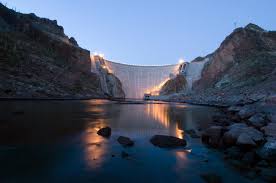
Photo Source: AZ Big Media
The desert southwest has suffered sustained drought since the mid 1990’s and this condition is expected to continue. Recent winters experienced record setting heat which intensifies the condition. Water from the Colorado River is hurting and by extension, the Central Arizona Project (CAP) canal. The CAP delivers water to the most populated regions in Arizona, particularly the Phoenix and Tucson metropolitan areas. About 65% of Scottsdale’s water comes from the CAP. With Arizona’s CAP water supply having junior priority status, it faces a significant reduction in allocation. A cut of 30% -40% is a real possibility.
The current operating rules for the river expire this year. The negotiations among the seven basin states are extremely contentious. All seven states, 30 Indian tribes, and Mexico must agree on a new framework for sharing a shrinking resource or the Bureau of Reclamation (BOR) will make the decision. The outcome will determine water rights for future generations.
Scottsdale will take a hit, but has some safeguards in place. We have been storing excess CAP water for years, which gives us a buffer for a couple of years. But what of our future water supply?
Where will new water come from?
- Conservation
* Status: readily available, stretches current supply
* Cost: savings realized
*Recommendation: reinstate the water and heat guidelines of Sustainability Plan to educate public
* Timeline: available now
- Harquahala Groundwater Basin
* Stakeholders include two private Scottsdale golf courses (water rights purchased in 2013 @ $10M) and City of Scottsdale (water rights purchased in 2015 @ $3M)
* Finite source (limited duration)
* Status – requires several levels of permitting including National Environmental and Planning Agency (NEPA), BOR, and delivery system
* Cost: delivery system is extremely expensive
* Recommendation: continue to monitor progress
* Timeline: request to Congress for final authorization in 2028-29, construct pipe line
- APRW – Advanced Purified Recycled Water
* This Scottsdale project has been ongoing for several years, successful pilot study
* Renewable source
* Arizona established final regulations for potable water in 2026
* Approved in 5-year Capital Improvement Plan (CIP) 2025-30
* Removed from CIP 2026
* Costs: $151 M for 10 million gallons/day (mgd) or $192 M for 20mgd (3/26 feasibility study)
* Recommendation: approval of plan to meet Arizona Department Environmental Quality (ADEQ) requlations for Potable water
* Timeline: 2032 full scale use
- Bartlett Dam Expansion
* Capture Verde River spillover at Bartlett Dam which occurs about 40% of time
* Both costs and water allocations split equally with 50% for Federal government and 50% for 22 stakeholders
* No additional stakeholders allowed, additional request exceed potential benefit
* Bartlett Reservoir would store enough water for one million households for a year
* Required NEPA review process already initiated by BOR
* Approved in 2024-25 CIP
* Removed in 2026-27 CIP
* Cost: estimates total 1.1 Billion in 2021 to 3.6 B
* Recommendation: continue to fund in CIP as Scottsdale needs a seat at the negotiation table and must continue to set aside funds in CIP to buy capacity
*Timeline: up to 10 years
- Purchase Additional Water Credits
* Cost: very expensive, may be unavailable
* Recommendation: continue to monitor availability of credits, recent attempt unsuccessful
* Timeline: as available
- Increase well capacity and upgrade pump station north of Chaparral to move SRP water to north Scottsdale
Keep APRW and Bartlett Dam Projects in CIP
City Manager Caton has proposed removing $377 million in projects from the five-year CIP. A whopping 76.4% is coming from water management projects. With severe reductions in our water supply on the horizon, now is the time to lean in and pursue additional future water resources. APRW has been part of our water culture for years, time to make it a reality. The Bartlett Dam expansion is a decade into the future, but we must appropriate funding now to maintain a seat at the table.
Do not trade long term stability for short term financial gains.
Respectfully,
Betty Janik & Sonnie Kirtley

Photo Credit: Arizona Desert Swarm
When Jaden Bradley’s driving layup tied the game at 42 in the second half Saturday night in San Jose, something shifted. Not just the momentum in a tight Elite Eight against Purdue, but something larger, something that coursed through living rooms and sports bars from Tucson to Flagstaff. The University of Arizona was going back to the Final Four for the first time since 2001, and Arizona knew it.
That matters. It matters far more than the casual sports fan might appreciate.
What a Deep Tournament Run Actually Buys a University
Think about what sustained athletic excellence has done for certain programs over the decades. Duke basketball is not simply a sports story. It is a brand story, an enrollment story, an endowment story. When Coach K’s teams were winning championships, applications surged and the school’s national identity sharpened in ways no marketing campaign could manufacture. Michigan football, for all its institutional weight, remains a gateway through which millions of people understand and emotionally connect to that university. And consider Indiana’s recent resurrection of both basketball and football. The Hoosiers’ return to relevance rekindled pride in a state that had grown indifferent, and university leadership credited the renewed athletic profile with generating philanthropic interest and enrollment momentum.
These are not coincidences. They are cause and effect.
Arizona’s Moment and What Leadership Owes It
University presidents who grasp this dynamic serve their institutions well, and they serve their states well. Arizona is not merely a basketball program right now. It is a 36-win juggernaut under fifth-year coach Tommy Lloyd, built on a remarkable foundation of talented freshmen like Koa Peat and Brayden Burries alongside proven senior leadership in Bradley. This team broke the program’s single-season wins record, a mark that had stood since Lute Olson’s 1988 squad. That is not routine. That is legacy-building.
Tucson and the state of Arizona deserve leadership that meets this moment with investment and intention.
Sports as Authentic Value in a Skeptical Age
There is something else worth acknowledging. In an era when artificial intelligence prompts serious questions about the authenticity and value of human endeavor, live sports remain irreducibly real. No algorithm conjured Bradley’s composure in the final minutes. No model predicted that a team ranked 145th nationally in roster experience would dismantle Purdue’s veterans in the second half.
When millions of Arizonans smile at the same moment, as Tommy Lloyd put it before the game, that is the compound effect. That is something worth building on.
Bear down.
Arizona’s Unconstitutional “Axon Bill” Heads To Court April 10 As Voters Defend Their Rights
Lawyers, Lobbyists And Legislators Colluded With Axon To Shield Controversial Zoning Decisions From The Voters. The Voters Are Fighting Back
(Scottsdale, Ariz.) Senate Bill1543 also known as the “Axon Bill” makes it impossible to challenge certain rezoning decisions at the ballot box. It was approved by the Arizona Legislature, signed by Governor Katie Hobbs after Axon hired legions of lobbyists to undermine the will of the voters. On April 10 at 9:30 a.m., Maricopa County Superior Court Judge Michael Herrod will hear oral arguments challenging this unconstitutional legislation.
The lawsuit centers on the Arizona Constitution’s ban on so-called “special legislation,” like the Axon Bill.
TAAAZE (Taxpayers Against Awful Apartment Zoning Exemptions) is leading this effort. In December 2024 TAAAZE submitted nearly 27 thousand signatures to challenge a previous lame duck council decision to approve Taser manufacturer Axon’s rezoning request to build nearly 1,900 apartments in north Scottsdale. Axon then convinced the Arizona Legislature to pass and the Governor to sign the Axon Bill that prevents some zoning issues, such as Axon’s, from going to the ballot box.Read More
By Ronald Sampson
In May 2023, Tempe voters had a decision to make. On the table was a privately funded, $2.1 billion entertainment district built on 46 acres of city-owned land near Rio Salado Parkway and Priest Drive. The plan included a 16,000-seat NHL arena, two hotels, a 3,500-person theater, restaurants, retail, and residential units. The project’s rallying cry said it all: “Landfill to Landmark.” All three ballot propositions went down in defeat, with 56 percent of voters saying no.
So. About that landfill.
The Vision That Wasn’t

The Arizona Coyotes had spent years trying to find a permanent home after a messy split with Glendale left them playing in a 5,000-seat arena on the ASU campus that made visiting NHL players wince. The Tempe deal was widely hailed as one of the best privately financed sports and entertainment projects the state had ever seen. At least $1.9 billion of the total cost was to come from private funding. The city’s own mayor called it the best entertainment and arena deal ever put together in Arizona. The NHL commissioner flew in personally to throw his support behind it. Four former Tempe mayors endorsed it.
The voters said no anyway, citing concerns about traffic, public funds, airport noise, and a general sense that something better might come along if they just waited.
What Came Instead
What came instead was nothing. The franchise collapsed. The NHL folded the Coyotes and shipped the franchise to Salt Lake City, where it became the Utah Mammoth. Attempts to find alternate Arizona sites, including a parcel near Scottsdale Road and the Loop 101, also fell apart when the state land auction was canceled. The Kachina jerseys, the franchise history, all of it…gone to Utah. And the 46 acres near Rio Salado Parkway? Still there. Still a landfill. No landmark in sight, no remediation underway, no grand plan announced for the former eyesore that was supposed to become the crown jewel of Tempe’s waterfront.
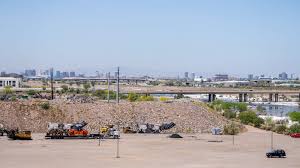
Photo Credit: Arizona Republic
Perfection Is the Enemy of a Hockey Team
The voters of Tempe chased perfection and got a parking lot with a methane problem. The concerns raised weren’t entirely without merit, but when the alternative is what actually happened, the cost-benefit analysis looks a little different in hindsight. Arizona lost an NHL franchise. A vibrant entertainment district that would have generated thousands of jobs and millions in tax revenue never broke ground.
The landfill is still right where they left it. Enjoy the view, Tempe.

Photo Credit: Threads
It was a moment worth savoring. The New York Yankees wrapped up their spring slate last week with an exhibition series against the Cubs at Sloan Park in Mesa, their first games played in Arizona since 1951, when they briefly called Phoenix home after swapping training locations with the New York Giants. Seventy-five years is a long time between visits, and the symbolism felt almost poetic, a piece of baseball history bookending what has been a wonderful 2026 Cactus League season.
The problem is that it may also be bookending the last one for a while.
A lockout at the end of the 2026 season is widely considered a near-certainty. The current CBA expires at 11:59 p.m. on December 1, 2026, and the sides appear to be far apart on fundamental economic issues. The biggest flashpoint is the owners’ push for a salary cap, which the players’ union has consistently and forcefully opposed, calling it bad for players on multiple levels. With both sides already in a public standoff and reports of owners prepared to take an aggressive posture even at the risk of impacting the 2027 season, the informal deadline for potentially losing spring training games falls in early to mid-March 2027. That means the Cactus League could simply not happen.

Photo Credit: ESPN
For Arizona, that prospect is genuinely alarming. The 2025 Cactus League season generated an estimated $764 million in economic impact for the state, according to Arizona State University’s W.P. Carey School of Business, creating more than 6,000 jobs and nearly $379 million in visitor spending. And two-thirds of out-of-state patrons surveyed said spring training was the sole or primary reason they visited Arizona, meaning this is not tourist money that gets redirected to golf resorts or Sedona day trips. It simply disappears. The 2022 lockout delivered a painful preview. Communities that had invested hundreds of millions in taxpayer-funded ballparks watched the revenues dry up while MLB offered little in the way of recognition or relief.
The Cactus League has had four straight years of attendance increases since those disruptions and was nearly back to pre-pandemic levels heading into this spring. It would be a bitter irony to lose that momentum to another labor fight.
So as the Yankees pack up and head back east, and the Cactus League wraps up another season of sun-soaked baseball, there’s a bittersweet quality to it all. The games were great. The crowds were back. And the hope, for fans, for businesses, and for the communities that have built their springs around this sport, is that the owners and players find enough common ground to make sure 2027 looks the same. Baseball has always found a way back. Here’s hoping it doesn’t take too long this time.
Scottsdale Mayor Lisa Borowsky is convening the inaugural meeting of the Downtown Scottsdale Task Force on Tuesday, April 21 at Western Spirit: Scottsdale’s Museum of the West, 3830 N. Marshall Way.
The kick-off meeting is from 8:30 to 10:30 a.m. Tuesday, April 21, and marks the beginning of a focused community effort to shape the future of Old Town Scottsdale.
Structured as a collaborative effort, the Downtown Scottsdale Task Force is an advisory body charged with guiding discussions, establishing priorities, and forming recommendations addressing the long‑term vibrancy, safety, economic strength, and visual character of Old Town.
“Old Town is one of Scottsdale’s greatest assets, and its future must be shaped by those who know it best — the people who work here, live here, invest here, and care about its character,” Mayor Borowsky said. “This task force will ensure that our community has a strong, informed voice in the decisions that will define Old Town for generations to come.”
Participants selected for the Downtown Scottsdale Task Force will work directly with the mayor’s office to evaluate challenges, refine initiatives, and support solutions designed to maintain and enhance Old Town’s cultural appeal, livability, economic performance, and long-term sustainability.
For additional information on the Downtown Scottsdale Task Force, call the mayor’s office at 480-312-7977 or email her directly at lborowsky@scottsdaleaz.gov
By Bob Littlefield

Dear Friends:
On Monday Kathy and I filed my paperwork to be on the ballot for City Council in the upcoming election.
Despite my late entry into the campaign, you all delivered for me plenty of signatures on my nominating petitions to qualify for the ballot. You also gave me a running start on a campaign war chest, which will be crucial in the upcoming campaign.
I believe the overwhelming support I have received so far is a result of how outraged citizens are about the bloated Axon apartment project and the unprecedented concessions made to Axon by the City Council majority. This terrible deal has awakened the Scottsdale voting public to the true threat overdevelopment poses to Scottsdale’s special character and high quality of life and especially to our water supply. And they want me to return to the City Council so I can keep fighting against this toxic overdevelopment! Voters know because of my 20-year record of public service i am the proven commodity you can trust to stay true to my resident-friendly promises once I get in office!
Because eight candidates qualified for the ballot there will be a primary election on Tuesday, July 21, 2026. One problem; the primary will be held in the summer when many Scottsdale residents will be out of town on vacation, If you fall into that group you will have to take extra steps to make sure you can vote. We will send out an email as the primary date approaches detailing the steps you must take to insure your vote counts.
You can find out how to help me stop overdevelopment in Scottsdale on my web page at https://www.boblittlefield.
Thank you for your support.
https://boblittlefield.com
By Councilwoman Jan Dubauskas

As Chairwoman of the Public Safety Committee, I have the privilege of working closely with Scottsdale’s Police and Fire Departments. Nothing compares to the thrill of saying “yes” to rare opportunities that let me witness—and even participate in—the rigorous training for our first responders.Last week, I joined Scottsdale Fire Department recruits for their first live flashover training in the department’s flashover chamber. Several city employees who had done it before warned me: it’s unforgettable, and so intense that they wouldn’t volunteer for it again. That only piqued my curiosity: what exactly is a flashover?
Understanding Flashover
Flashover is one of the deadliest phases of a fire. It’s the near-simultaneous ignition of all exposed combustible materials in an enclosed space, often triggered when superheated gases and smoke reach their ignition point. Temperatures soar to 1,000°F (or more), thick smoke obscures everything, and introducing oxygen (air) can cause flames to erupt across the ceiling in seconds. What looks like harmless smoke can suddenly become a wall of fire. It’s visually dramatic—and utterly lethal.
Preparation: Safety First
We arrived at 7 a.m. on March 6, 2026. Chief Shannon and the team exuded calm professionalism from the start. They were clear: safety is non-negotiable.
Into the Chamber
Fully kitted—helmet, mask, 60+ pounds of turnout gear and an oxygen tank—we stepped inside. The chamber is a controlled burn room with hand-held thermal imaging displays showing real-time temperatures.Chief Shannon and I started at the back, with eight firefighters ahead; they were rotating every few minutes to experience the heat from the fire. Captain Dutcher, the instructor at the front, managed the blaze masterfully, using fuel in a can to demonstrate the stages: temperatures climbing from 200°F to over 1,000°F.Captain Dutcher taught continuously for 25 minutes—identifying fire behavior, entry tactics, how to avoid triggering flashover, and survival steps if it occurs. His calm commands adjusted ventilation: “Open the chimney,” “Close the door.” When ventilation was restricted, the visible flames died down—but the heat built relentlessly in the smoke layer above.
The Moment of Flashover
Then it happened. Smoke swirled thick and dense; I couldn’t see the firefighter next to me. His thermal imager revealed what our eyes couldn’t: fire spreading overhead, hidden in the smoke. The instructor called for the door to open.Oxygen rushed in. Instantly, orange flames rolled across the ceiling like fingers reaching out—so close, they were within arm’s length. The fire hunted for more fuel, yet the chamber contained it safely. Our gear’s thermal protection was so effective we felt only warmth, not the lethal 1,000°F reality.This exercise drove home a critical lesson: firefighters can’t rely solely on what they see or feel. They must read conditions—smoke color, heat layering, ventilation—to anticipate dangers invisible to the untrained eye.
Aftermath and Decontamination
Exiting, we were immediately checked for burns or injuries (none, thankfully). Decontamination followed: a thorough water spray to remove carcinogens from gear, which is sanitized before it can be reused. It was a relief to take off the 60 lbs of gear, breathe fresh air, and reflect on the skilled professionalism displayed throughout this extreme training exercise.
Why It Matters
Public safety is the foundation of Scottsdale’s success. Our residents rely on us to provide them with a safe home. And we welcome nearly 12 million visitors annually, who generate a $3.7 billion economic impact. Residents and visitors come here because they feel—and are—safe.Firefighters run toward danger while most of us flee. They risk their lives to save others, training relentlessly in conditions like this to stay one step ahead of fire’s unpredictability.Experiencing flashover firsthand deepened my respect and gratitude for our incredible Scottsdale Fire Department. They protect us with skill, courage, and unwavering commitment. We owe them our respect, our thanks—and our support.
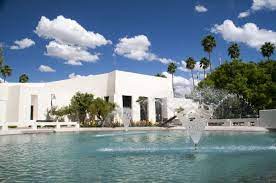
The Scottsdale Firefighters Association has announced it will host a city council candidate forum this April, and it is worth paying attention to. The firefighters’ association has long been one of the most credible civic voices in Scottsdale, with a track record of endorsements that carry real weight with voters across the political spectrum. When they put candidates in a room together and ask hard questions, people show up, and more importantly, candidates tend to answer.
The obvious expectation is that the forum will focus on public safety: staffing levels, overtime costs, the department’s well-documented succession challenge as veteran firefighters retire in large numbers, and the rollout of Scottsdale’s new ambulance service. All of that matters. But a forum this close to a consequential election, with three council seats on the line, is an opportunity to push candidates on the issues that are defining Scottsdale’s future well beyond the fire station. Here is what we would love to see on the question list.
On water: the Advanced Purified Recycled Water program has effectively been stalled by City Manager Greg Caton, who removed it from the Capital Improvement Plan budget and questioned whether council ever formally approved it. Candidates should be asked directly: do you support moving forward with the “toilets to taps” program, and if so, what specific action will you take in your first year on council to get it back on track?
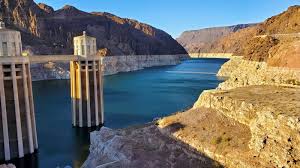
Photo Credit: Utah State University
On development: North Scottsdale continues to grow at a pace that strains infrastructure and frays the nerves of long-time residents. Candidates should be pressed on where they draw the line on density and height variances, and whether they believe the current General Plan is being honored or quietly eroded.
On the Axon negotiations: the long-running saga over the proposed mega-apartment complex site and what, if anything, gets built there touches on traffic, water use, and the character of the city’s northern corridor. Voters deserve to know where each candidate stands before they cast a ballot, not after.

Axon’s Apartment Plans
On the city manager: without naming names, candidates should be asked whether they believe the city manager serves the council’s policy direction or operates independently of it. The answer will tell you a great deal.
The firefighters’ association has earned its reputation by asking serious questions and holding candidates accountable. This April, the city’s voters are counting on them to do exactly that.
By Ronald Sampson
Photo Credit: Utah State University
Scottsdale has long prided itself on being one of the most forward-thinking cities in the American West when it comes to water policy. For a desert municipality that has watched the Colorado River shrink for decades, that reputation wasn’t just a point of civic pride; it was existential planning. Which is what makes a quiet but consequential development at the city’s Budget Review Commission so troubling.
At two consecutive BRC meetings this year, City Manager Greg Caton presented a Capital Improvement Plan budget with two notable omissions: the Bartlett Dam Modification Feasibility Study and the Advanced Purified Recycled Water program, the latter being Scottsdale’s much-anticipated “toilets to taps” initiative designed to supplement the city’s drinking water supply with treated, recycled wastewater. When commissioners expressed alarm, Caton’s explanation was essentially that he couldn’t put a number in the budget because he didn’t have reliable cost figures yet. “I don’t know the capital expenditure, and I don’t know the operating expenditure,” he said, “so I can’t put it in the budget.”
That is a reasonable position on its face, but it sidesteps a more pointed question: why are years of planning now being characterized as merely “aspirational”? Caton went further, asserting that Advanced Purified Recycled Water “has not been approved by a governing body to move forward,” a claim that drew swift pushback from Councilwoman Solange Whitehead, who has served on council since 2018, and former Councilwoman Linda Milhaven, who called Caton’s move an outright undermining of years of visionary investment in water security. Both point to a council-approved Water Strategic Plan 2025-2030 as clear direction to proceed.
So what is actually going on here? It is worth speculating. Caton may be running political cover for a council that is quietly divided on the issue; Councilman Adam Kwasman made his position plain, vowing to do “everything in my power” to keep recycled wastewater out of the drinking supply. If a faction of the current council is cool on the program, burying it in a budget uncertainty argument is a tidier way to stall it than taking a public vote.
The timing could not be worse. Colorado River allocations are expected to face further cuts, and Scottsdale’s existing recycled water infrastructure for golf courses, while valuable, is not a substitute for a robust residential supply solution. Removing the advanced purification program from the CIP doesn’t just delay a project; it puts the entire policy trajectory at risk at precisely the moment the city can least afford that kind of drift.
Water is not a background issue in Scottsdale. It is the issue. And the residents of this city deserve a straight answer as to whether their long-term water security is being quietly traded away for political convenience.
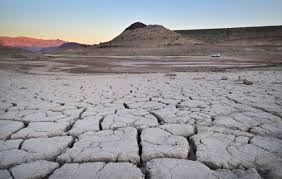
Photo Credit: CNN

All Candidates Submitting Requisite Number Of Signatures By March 23rd To Be Invited
(SCOTTSDALE, AZ) The candidates for Scottsdale City Council will face each other and the public for the first time at a City Council Candidate forum on Monday, April 13th. The event is hosted by the Scottsdale Firefighters Association and will take place from 4:00 PM to 5:30 PM at the Scottsdale Civic Center Library Auditorium, located at 3839 N. Drinkwater Blvd.
This forum offers Scottsdale citizens a unique opportunity to hear directly from candidates running for City Council. The discussion will focus on the candidates’ visions for the city’s future and their positions on critical public safety issues.
The event will be moderated by Sasha Weller, Scottsdale Firefighter Association President.
“Thanks to all the candidates who want to serve our community just as we try our very best to do every day. Our goal is to give candidates a platform to engage with the residents they hope to serve,” said Weller.
Weller said the forum as well as a questionnaire sent to the candidates previously will play a key role in who the Association may endorse in the July and November elections.
Admission to the forum is free and there is no registration required.Read More
By Mary Manross
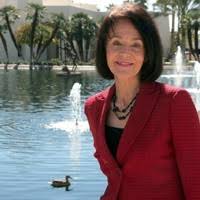
Do you know Solange Whitehead? I have known her for over 20 years. That is why I am proud to serve as Honorary Chair for her campaign for Scottsdale City Council.
The first question I have for candidates is what do they believe are the most critical issues facing Scottsdale? Secondly, have they ever shown an ability and willingness to fight for what they believe is best for our community? Many folks in political office talk a good game. But when it comes to actually working to create positive change, they cave. It takes serious determination to accomplish worthwhile, long lasting, positive results. As your former Mayor, I know this firsthand.
Solange Whitehead has repeatedly demonstrated that she can deliver on good public policy. Examples – increasing open space requirements in developments, reducing the too high building heights and densities, championing protection for our McDowell Sonoran Preserve and strengthening short term rental regulations.
As a councilwoman, Solange is also leading the fight to ensure that we have adequate water resources far into the future. She stands up for fiscal conservatism, which means low taxes and AAA bond ratings. Another reason I support Solange is because she believes that public safety is the number one function of government. She helped launch an ambulance service, increased pay for our terrific first responders and initiated a Parks and Preserve Ranger Unit to keep these open spaces safe for all of us. Solange also led our citywide, very successful 490- 491 Propositions campaign. They will allow Scottsdale to reinvest in our older parks and keep our open spaces healthy. Think how important that is to maintaining our wonderful quality of life!
Please support and vote for Solange Whitehead for City Council. We all must do our part to protect and nurture our home.
Mary Manross
Honorary Chair of Solange for Scottsdale
Former Mayor of Scottsdale
By Alexander Lomax

Dillon Brooks. Photo Credit: Scottsdale PD
Phoenix Suns forward Dillon Brooks was pulled over in Scottsdale around 1 a.m. for a traffic violation and subsequently arrested on suspicion of driving under the influence. The part that has a lot of people raising an eyebrow: he passed a breathalyzer test, and the DUI arrest was marijuana-related.
Body camera footage released by Scottsdale PD shows an officer telling Brooks his vehicle smelled like a marijuana dispensary. Brooks responded that he had not smoked or drunk anything in the last six months. He performed field sobriety tests, was cooperative throughout, and still ended up in handcuffs.
Welcome to the peculiar world of Arizona marijuana DUI law.
Here is where things get genuinely strange. Arizona law charges drivers under two provisions: driving under the influence impaired to the slightest degree, and DUI for drugs and/or metabolites. There is no breath test for marijuana impairment, and there is currently no clear scientific standard for cannabis impairment. So officers rely on field sobriety tests that, as one Phoenix defense attorney noted, “are sort of like trying to fit a square peg in a round hole,” since they were designed for alcohol, not marijuana.
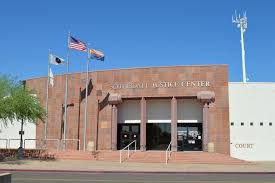
The metabolite issue is where the law gets particularly hard to defend. Arizona has not established a set nanogram level of THC that constitutes impairment, unlike states such as Colorado. Instead, the state relies on the mere presence of THC metabolites as evidence for DUI charges under A.R.S. 28-1381(A)(3), and prosecutors do not require proof of actual impairment. The problem is that carboxy-THC, the primary non-psychoactive metabolite of cannabis, can remain in the body for as many as 28 to 30 days after ingestion, meaning someone who legally consumed marijuana weeks ago and is stone-cold sober could, in theory, still face a DUI charge.
To be fair, the Arizona Supreme Court did rein things in somewhat in 2014, ruling that drivers cannot be convicted of a per se DUI offense based merely on the presence of a non-impairing metabolite reflecting prior marijuana use. But the “impaired to the slightest degree” provision of the law remains, giving prosecutors a wide lane to work with.
Whether Brooks faces formal charges depends on blood lab results and a decision by the Scottsdale City Prosecutor’s Office. He may well be cleared. But his arrest has done something useful: it has put a spotlight on a legal framework that has struggled to keep pace with a recreational marijuana landscape Arizona voters approved back in 2020. When the law cannot distinguish between someone who smoked three weeks ago and someone who smoked three hours ago, that is not good policy. It is just a trap.
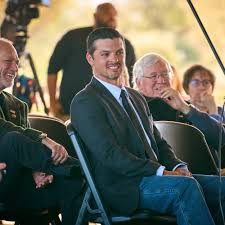
Cody Reim. Photo Credit: Arizona Republic
If the name Cody Reim doesn’t ring a bell, you’re not alone. The Rio Verde Foothills small business owner wasn’t exactly a fixture of Scottsdale-area political circles before this week. But as of Tuesday, he’s your state representative.
The Maricopa County Board of Supervisors appointed Reim to fill the Arizona House vacancy in Legislative District 3, created when Joseph Chaplik resigned to run for Congress. The board’s vote was unanimous, 5-0, and Reim was sworn in shortly after.
So who is he? Reim is a political newcomer who lives with his family in Rio Verde Foothills, where water supply issues have been front and center for several years. He became one of the most outspoken advocates for finding a long-term, reliable water source for the community after Scottsdale announced it would shut off trucked water to the unincorporated area at the end of 2022 due to drought concerns, leaving residents scrambling for new sources. That grassroots advocacy, not a political résumé, is what got him here.
Supervisor Thomas Galvin, who nominated Reim, called him “a principled leader who has proven he will stand up and fight for his community” and “a bridge builder and consensus maker.” Water policy figures to be his top priority in the Legislature, as Arizona continues negotiations over Colorado River water allocations, which account for around 36% of the state’s water supply.
The more interesting storyline, though, may be what this appointment sets up for the November election. Both Reim and fellow nominee George Khalaf, a political consultant who actually received the most votes from precinct committeemen, are running for a full term in LD3’s two House seats. Incumbent Rep. Alexander Kolodin is not seeking re-election, as he’s running for Secretary of State, joining Chaplik in leaving his seat in pursuit of higher office. That means the Republican primary will likely feature Reim and Khalaf competing for the same two seats (if not others), with Reim now carrying the incumbent label and all the name recognition and fundraising advantages that come with it. That said, there is room for two.
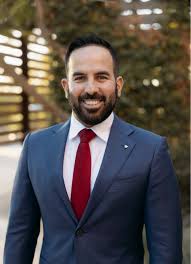
George Khalaf. Photo Credit: Facebook
Supervisor Galvin said he hopes and expects both Reim and Khalaf to be in the state House in 2027: a collegial sentiment, but the voters will have the final say. For a district that covers much of northeast Scottsdale, Fountain Hills, and Cave Creek, the district leans red, but in a potential blue wave year this race just got a lot more interesting.
“I was informed by city management today, after a 65-day investigation, that Chief of Staff R. Lamar Whitmer, has been terminated.
To be clear, I do not condone inappropriate workplace conversations, did not witness them and would not tolerate them. Furthermore, I fully believe workplace rules should be followed, public trust should never be abused, and this has been fully communicated to my staff. My hope for the people of Scottsdale is that his replacement will be allowed to fulfill the responsibilities of a chief of staff to a mayor — including speaking with city staff. The people deserve to move past petty politics and move forward in a manner befitting the history and expectations of the city of Scottsdale. I wish Lamar the best in his future.”
— Lisa Borowsky | Mayor of Scottsdale
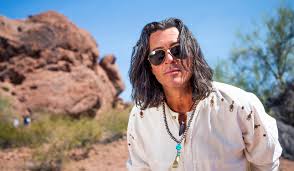
Photo Credit: Arizona Republic
Some artists chase charts. Some chase radio. Roger Clyne has spent thirty years chasing something harder to pin down: the soul of a place.
This weekend, the Tempe-born singer and his Peacemakers marked two milestones at once: the release of Hell to Breakfast, his first album in nearly a decade, and the 30th anniversary of Fizzy Fuzzy Big & Buzzy, the Refreshments record that started it all. And where did he choose to do it? The parking lot of the Yucca Tap Room, same as he did in 1996. Same corner of Tempe. Same spirit.
That consistency is no accident. Clyne has never left Arizona, and Arizona has never left him. He describes his creative process as literally walking into the Sonoran Desert with a tape recorder, leaving his guitar at the truck, thinking on melody and cadence among the saguaros and the silence. The desert doesn’t just backdrop his music: it authors it.
But what has always set Clyne apart in the broader Arizona story is his instinct that this place doesn’t end at the border. The Sonoran Desert is, after all, a shared landscape; one that stretches deep into Sonora, Mexico, indifferent to the line humans drew across it. Clyne absorbed that truth early and never let it go. His music has long celebrated the cultural confluence he finds here: the history, the pre-history, the characters on both sides living adventurous, complicated, fully human lives.
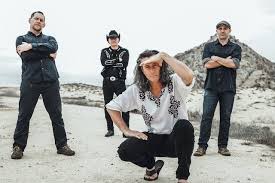
That spirit lives inside the new album, too. A song like “Yeh Shoobeh” closes Hell to Breakfast with a declaration that feels almost radical in the current moment: I’ll set my finest table, I’m inviting the world to dine. In a time when calling your neighbor an enemy has become disturbingly easy, Clyne is still setting the table and pouring the wine…for everyone.
He told the Arizona Republic he built “a life that was unique.” He did. But more than that, he built a trumpet for this specific stretch of desert and kept playing it, decade after decade, reminding anyone willing to listen that the Sonoran world is richer, stranger, and more connected than the headlines suggest.
We’re lucky he never stopped.

Photo Credit: Michael Duerinckx
The Water Infrastructure Financing Authority of Arizona (WIFA) has approved a $10,436,918 low-cost loan, including $1 million in principal forgiveness, to support major drainage improvements at WestWorld of Scottsdale — a key priority of Mayor Lisa Borowsky’s administration.
The investment marks a major first step forward in delivering long-needed improvements that will enhance WestWorld’s safety, operations, and economic performance, Mayor Borowsky points out.
“I appreciate the input from all of our WestWorld stakeholders, and the efforts of our city management team collectively pushing these much-needed planned improvements forward,” Mayor Borowsky said. “WestWorld is one of Scottsdale’s most important assets — a year-round driver of tourism, economic activity, and international visibility.”
City Treasurer Sonia Andrews, whose team along with city engineering staff led Scottsdale’s financing application, explains the WIFA funding is a low-cost loan and the city was able to secure $1 million in forgivable principle, which translates to the city being required to only payback $9,436,918 of the $10,436,918 loan.
The city will finalize loan terms with WIFA in the coming weeks. Loan documents and formal acceptance are expected to be presented to the Scottsdale City Council for consideration in April or May.
“WestWorld is central to Scottsdale’s identity and its economy,” Mayor Borowsky said. “This project ensures it remains strong, resilient and competitive for decades to come.”

Scottsdale has been quietly staking its claim as one of the Southwest’s premier cultural destinations, and this week offers another piece of evidence. Scottsdale Art Week returns for its sophomore outing starting today and lasting until this Sunday at WestWorld of Scottsdale, and if the buzz surrounding it is any indication, the city’s arts scene is very much arriving on a national stage.
So what should you know before you go?
The art is legitimately world-class. This isn’t a regional craft fair. More than 120 galleries from around the world will be presenting work, and the names on display read like a museum wall. Featured artists include Pablo Picasso, Andy Warhol, Salvador Dalí, Marc Chagall, David Hockney, Alex Katz, and Maynard Dixon. Multiple seven-figure pieces will be on offer, including a $1.2 million, 50-million-year-old fossil crocodile and a $1 million sculpture by Gino Miles that the artist spent six years creating.

The cultural programming goes deep. Complementing the gallery presentations is a full slate of programming produced in partnership with major institutions including the Phoenix Art Museum, Scottsdale Museum of Contemporary Art, the Denver Art Museum, and Heritage Auctions. Topics range from photography and the Western art market to Indigenous and Latin art; there’s genuine intellectual substance here beyond the gallery floor.
Local art is meaningful. Scottsdale Art Week makes a point of acknowledging the brilliant artists in our own midst, and in that vein this year’s Arizona Artist of the Year is Cara Romero, recognized for her innovative photography. It’s a reminder that some of the most compelling contemporary art can come from your own back yard.

Thursday night is where serious collectors move. The Opening Night Vernissage on Thursday, March 19 runs from 6 to 9 p.m. and benefits the Phoenix Art Museum, offering access to the full fair before the public doors open Friday.
Public days run Friday and Saturday 11 a.m. to 7 p.m. and Sunday 11 a.m. to 5 p.m., with children 12 and under admitted free. Whether you’re a collector or simply curious, this is one worth showing up for. Head to ScottsdaleArtWeek.com for tickets and the full schedule, and drink in yet another example of Scottsdale’s excellence.
By Bob Littlefield
Dear Friends:
For years overdevelopment has taken a heavy toll on Scottsdale’s special character and high quality of life. Clogged roads, blocked views, higher taxes and overburdened infrastructure have been the legacy of the overdevelopment previous City Council majorities have approved.
But now, overdevelopment poses another threat to Scottsdale’s residents – water shortages! Arizona is suffering from a 30-year drought with no end in sight. Water levels in the reservoirs are falling as a result. And our neighboring states. which draw from the same water sources as we do (and who have also allowed too much water-guzzling development) are trying to strip away portions of our water allocations for their own use.
Given these hard, cold facts you have to ask yourself, “does it make sense to allow more giant apartment complexes to be built in Scottsdale?” especially when there are already 10K apartments in the queue waiting to be built?
The answer is obviously a resounding NO! And yet just four months ago a majority of our current City Council members approved 1200 apartments for Axon. Adding insult to injury they relieved Axon of the responsibility for providing water to these apartments, a gift (never given to any other developer) that will lower the amount of water available to all other Scottsdale residents!
What’s the solution? For starters, stop electing candidates who will approve all this overdevelopment. But the problem with that is everyone who runs for Scottsdale City Council claims to be resident-friendly, but most vote for overdevelopment after they take office.
That’s why, if you want to preserve Scottsdale’s special character and high quality of life you should support me in the upcoming city election. In the last ten years I have been involved in every major resident-driven battle to preserve Scottsdale’s special character and high quality of life. Bottom line, I am the proven commodity you can trust to stay true to my resident-friendly promises once I get in office!
If you agree with me that overdevelopment has gotten out-of-hand in Scottsdale, I need your support. The first thing I need is signatures on my nominating petition. You can conveniently sign my petition online at https://go.azsos.gov/6dmk. I also need contributions to my campaign to fight the special-interest money that will be spent to keep me off the City Council; you can contribute to my campaign here. And please spread the word about my candidacy to your friends, neighbors and family who live in Scottsdale!
Thank you for your support.
https://boblittlefield.com
2020 Scrum
and Carla, Preserve Pioneer and Campaign Coordinator for Vote YES YES Scottsdale PAC
In most campaigns there are winners and losers. Not when it comes to the passage of Propositions 490 and 491 in Scottsdale which happened on November 5th. We believe everyone in Scottsdale wins.
Proposition 490 will help revitalize and maintain Scottsdale’s parks, beginning with the Indian Bend Wash Greenbelt, and will provide ongoing care and protection for the McDowell Sonoran Preserve. It will provide funding to prevent and fight fires in and around the Preserve, and funds for increased police rangers for the parks and the Preserve.
Almost sixty years ago Scottsdale had the wisdom and foresight to create the Greenbelt and, thirty years ago, to create the McDowell Sonoran Preserve. They are two of Scottsdale’s greatest decisions and treasures. That wisdom and foresight are still with us today as evidenced by this vote.
Proposition 490 contains legal safeguards to ensure the money is properly spent. And we think these safeguards, and the benefits of the measure will win over many who voted no and maybe even some critics. Now that the voters of Scottsdale have spoken overwhelmingly in support of Proposition 490, we look forward to working with the new Mayor and Council to see that it is implemented properly and responsibly.Read More
This year Scottsdale was fortunate when it came to wildfires. Next year we might not be so lucky.
As every summer gets hotter and drier, nature and human caused fires are a fact of life in Scottsdale and our Preserve. Thanks to the quick response and hard work of our Firefighters – plus a little luck with wind direction – we have avoided a catastrophic fire this year.
But next year, unless Propositions 490 & 491 pass, we won’t have as many tools to help prevent fires.
Year round our Fire Department does excellent outreach work with developments in Northern Scottsdale to address not planting invasive species and removing fire loads. They also work with the Arizona Department of Forestry and Fire Management to get grants which provide for wildfire prevention. Specifically invasive plant removal and preventative measures along our Preserve boundary and major roadways.
But Scottsdale did NOT get a grant to fund this work in 2025!
Proposition 490 would add Fire Department funding to provide quicker response times; increased Fire prevention programs; a second Technical Rescue Team; and additional resources to better protect you and your neighborhoods.
Proposition 491 – which is not a tax increase or budget override – would allow Scottsdale to spend the money it already collects on programs and services that residents want and need. Without its passage, city services will face cutbacks, including in public safety.
Please join the Firefighters, who dedicate their lives to protecting you, in voting YES-YES on Props 490 and 491. It’s critical to Scottsdale’s safety and future quality of life.
Carla (Carla), Preserve Pioneer
For President, the Democratic candidate Vice President Kamala Harris trails Republican former President Donald Trump by a slim 46.0% to 46.2% margin. 7.7% reported as being undecided or refused the question.

Speaking with AZ Free News about the Presidential race, George Khalaf, President of Data Orbital, stated “That 7.7% undecided number, I would say, is going to be one of two things: 1.) Either individuals that are saying that they are likely to vote but don’t end up voting or 2.) People that really are truly undecided. But I would be shocked if the true undecided number is in the high single digits”. Khalaf goes on to explain, “I would guess that right now, the true percentage of people that are undecided is maybe one or two percent, if that. This is a high-profile race and so most people have made up their minds. But I think a portion of people that are undecided likely will not end up making a decision on November 5th”.
Candidate for Scottsdale School Board
As students return to school this week, let’s consider what we can do to help support and strengthen our local public schools. I am running for a seat on the Scottsdale Unified School Board on November 5, alongside Gretchen Jacobs and Drew Hassler, to serve our community positively.
We are parents, professionals, and community leaders who have had students in our Scottsdale schools and believe that strong communities should have strong public schools. Families shouldn’t have to look elsewhere for the excellent academic opportunities and well-rounded extracurricular experiences they desire for their children.
Our campaign, “Just Be Honest,” will bring a new era of transparency, accountability, and integrity to SUSD. Our mission is to ensure that every decision made is in the best interest of our students, families, and teachers.Read More
With just five days remaining until Arizona’s 2024 primary election, let’s take a closer look at how Republicans and Democrats are performing across the state. Focusing first on the Republicans, a total of 1,156,580 GOP ballots have been requested. Of these, 1,089,498 are from registered Republicans and 67,082 from Independents. These numbers surpass the total requests from both 2020 and 2022, which were 1,035,288 and 1,059,348, respectively. Currently, Republicans have a 32.7% ballot return rate, while Independents have a 49.2% return rate, resulting in an overall return rate of 33.7%.
At this stage in the election, GOP ballot returns across the state are ahead of 2022 but are behind 2020. In 2020, returns at this time were 426,571, compared to 375,714 in 2022. So far in 2024, a total of 389,458 GOP ballots have been returned.
Now looking at the Democratic side, total ballot requests stand at 1,063,267, with 1,008,909 from Democrats and 54,358 from Independents. This exceeds the totals from both 2020, which had 1,044,288 requests, and 2022, which had 1,041,271 requests. Democrats are returning their ballots at a 29.4% rate, while Independents are returning at a 48.9% rate, resulting in an overall return rate of 30.4%
At this stage in the cycle, Democratic returns are lagging behind both 2020 and 2022. In 2020, Democratic returns were 439,383, and in 2022 they were 368,745. Both figures are notably higher than the current returns in 2024, which stand at 322,984.


