

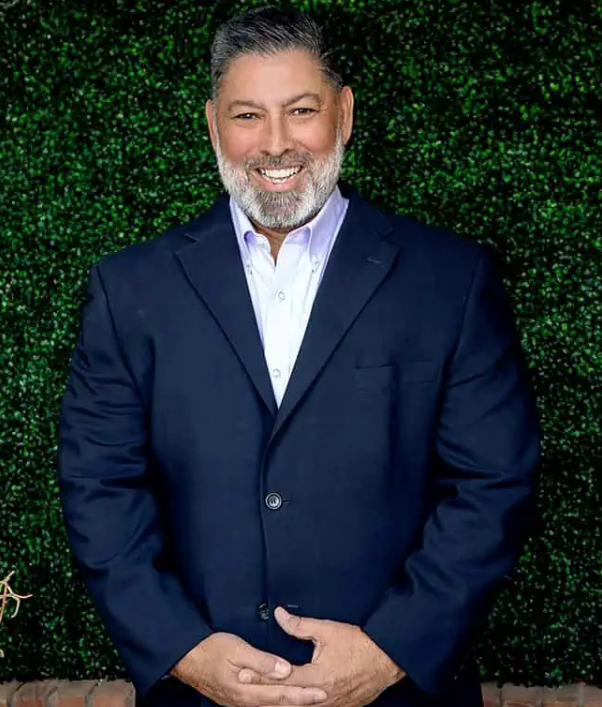
As a reminder, we sent out a similar questionnaire to every candidate for Scottsdale city council. Their submissions are being posted in the order of being received. All of the questions were the same except for the last two, which were customized to each candidate.
Do you support the Axon development as originally proposed, including up to 1,900 residential units, or the compromise proposal of around 600 units. If not, what conditions would you require before lending your support?
We have a local success story in Axon, a company that could have gone anywhere but chose to invest right here.
The tragedy of this situation is that it was entirely avoidable. By blocking the referendum and refusing to let the people actually weigh in at the ballot box, the council majority chose a path of friction over a path of democratic resolution. That move created more harm than good; it fractured the community and effectively forced the company’s hand.
When local governance stalls and prevents the voters from having their say, you shouldn’t be surprised when stakeholders look to the legislature for a path forward. If the council had simply trusted the residents to vote, we wouldn’t be dealing with state-level intervention today. We need a framework that respects local voices while ensuring we don’t push away the very innovators who put us on the map. I am troubled by candidates and councilmembers who continue to poke Axon in the eye to score political points when, at the end of the day, the company is creating jobs that boost the local economy.
In your opinion, has the amount of apartment approvals and construction in recent years been too little, too much or just about right?
As Scottsdale approaches its physical limits, our strategy must shift from outward expansion to value-driven revitalization. Our future depends on stewardship, ensuring every new development strengthens our community and brand without overextending our finite resources.
Our housing approach should focus on sustainable density by encouraging “middle housing” that provides options for the essential workforce who support our city, without relying on disruptive high-rise development. We should also prioritize transforming aging shopping centers into mixed-use hubs that reflect Scottsdale’s character while making better use of existing land.
At the same time, heat mitigation must be treated as critical infrastructure. Extreme heat directly impacts livability and tourism, so we need a strong Heat Mitigation Plan that expands urban tree canopy and requires cooling strategies like shade structures and cool pavement in new development.
We should also invest in active transportation and better connections to places like the McDowell Sonoran Preserve, improving mobility and quality of life. By managing growth thoughtfully, we can ensure a water-secure, heat-resilient, and fiscally sustainable future for Scottsdale.
But the throughline for me in all of this is protecting local control. I am worried about one-size-fits-all measures coming down from our state legislature. The rights of municipal governments to make decisions for their own jurisdictions should not be infringed upon. I believe that is something people of all political stripes can agree on.
When we talk about the pace of development, there’s a natural temptation to reach for simple labels like “too fast” or “too slow.” But the reality is more nuanced. I believe the question isn’t whether we’re moving fast or slow, it’s whether we’re moving with the right level of intentionality.
The pace itself is less important than the purpose behind it. We shouldn’t be measuring our success by the number of cranes in the sky, but by how well each project serves the long-term health of our community.
When a major proposal comes before the Council, my vote will be guided by three core principles:
- Infrastructure First: Can our roads and water systems support this before the first resident moves in?
- Character Alignment: Does this respect the unique soul of Scottsdale, or is it a generic design that could be anywhere?
- Net-Positive Benefit: Does the project offer a tangible win for current residents?
The goal isn’t to hit the gas or the brakes; it’s to make sure we’re steering in the right direction. We need to be smart and responsible about development, ensuring Scottsdale remains as livable as it is dynamic.
The Colorado River faces a deepening crisis, with Lake Powell at historically low levels. What specific policies should Scottsdale pursue to protect its long-term water security?
Water resiliency in Scottsdale has to be approached with both urgency and discipline. This isn’t about choosing one solution, it’s about building a balanced, reliable portfolio.
First, I would prioritize expanding advanced water treatment, including direct potable reuse. That’s a long-term investment in local control and drought resilience, and it positions Scottsdale to make the most of every drop we already have.
Second, aquifer banking remains essential. It’s one of the most effective ways to store water in good years, so we’re better prepared for the difficult ones. That kind of forward planning is what stability looks like in the desert. At the same time, we shouldn’t overlook community-facing efforts. Incentives like turf removal rebates are cost-effective, scalable, and help residents be part of the solution while reducing overall demand.
The key is integration. Supply, storage, and conservation all have to work together. My approach would be to invest in long-term infrastructure, maintain strong reserves, and empower residents, so Scottsdale remains water-secure for decades to come. Currently, we have council members who are playing games by moving important projects like the Bartlett Dam into the operational budget instead of the CIP budget, which means they can deprioritize it. We need to get serious about water issues and think ahead responsibly.
What is your position on the boundaries of the McDowell Sonoran Preserve, and under what circumstances, if any, would you support changes to land currently designated as preserve?
When we talk about the McDowell Sonoran Preserve, we’re talking about more than just a map or a set of legal descriptions. We’re talking about a covenant. It’s a promise we’ve made to our kids and their kids that some things are so fundamental to our identity that they aren’t for sale.
What my experience taught me during my service as Vice Chair of the Protect and Preserve Task Force is that the community didn’t just stumble into this, they chose it. They chose to invest in a legacy of stewardship that sets Scottsdale apart.
That’s why I want to be clear on this: I do not support changes to land currently designated as a preserve. In governance, there’s always a temptation to look for the “short-term fix” by chipping away at the long-term good. But “in perpetuity” has to mean exactly what it says. Our job isn’t to renegotiate the boundaries our predecessors worked so hard to establish; our job is to honor that trust and pass it on, undiminished, to the next generation.
How would you approach funding police and fire services, and are there areas of the current public safety budget you would change?
Public safety and quality of life are the foundation of everything we want to achieve as a city. If people don’t feel safe in their neighborhoods, nothing else works the way it should.
Police and fire departments must have the staffing, competitive pay, and modern resources they need to serve effectively. That starts with strong recruitment and retention, along with investing in the tools and data needed to address issues before they escalate.
We also need a proactive approach to neighborhood quality of life. That means being consistent and responsive on traffic safety and code enforcement, because small issues can quickly become bigger problems if ignored.
Public safety isn’t just about response; it’s about prevention. Strong partnerships between the city and residents are essential. Just as important is clear accountability and communication, so residents know how resources are used and where to turn for help. I have stated publicly that I think pay increases for first responders should be considered.
Old Town is always a centerpiece of the conversation regarding Scottsdale. What (if anything) would you do to improve it?
Old Town Scottsdale works because it feels authentic. It brings together the best of Scottsdale’s identity: Southwestern character, arts and culture, great restaurants, local businesses, nightlife, and a walkable experience that attracts both residents and visitors. Whether someone is visiting Scottsdale Museum of Contemporary Art, attending Parada del Sol, or spending the afternoon near Scottsdale Stadium, Old Town is central to Scottsdale’s economy and sense of place.
The challenge now is making thoughtful improvements without losing what makes it special. That means addressing practical issues like parking, traffic flow, pedestrian safety, and transportation options, especially during busy seasons. It also means investing in shade, cooling infrastructure, and walkability so Old Town remains comfortable year-round.
At the same time, we should continue supporting local businesses, public art, and reinvestment in aging properties while maintaining strong public safety and cleanliness standards. The goal should be evolution, not overdevelopment.
Scottsdale faces competing demands on its budget. What are your priorities for city spending and are there areas where you would cut or redirect resources?
When we think about a city budget, we aren’t just looking at a ledger of numbers; we’re looking at a statement of values. In a place like Scottsdale, the challenge is maintaining that world-class quality of life while ensuring we are prepared for the decades ahead.
My priority is centered on resilient infrastructure. This means investing in sophisticated water management to secure our desert future and modernizing our transportation grid to reduce congestion. We also have a fundamental obligation to public safety; ensuring our first responders have the technology and training they need is non-negotiable.
Regarding redirects, we should be auditing departmental silos to find efficiencies, shifting resources toward data-driven sustainability initiatives that lower long-term operational costs. Making sure every dollar spent today is actually an investment that buys us a more affordable, livable tomorrow.
What is your approach to addressing homelessness in Scottsdale, and what role should the city play in expanding access to affordable housing?
When we talk about the challenges facing our streets, we have to move past the idea that this is just a housing problem or just a law enforcement problem. It’s a human problem that requires a sophisticated, multi-layered response. We need to focus our energy and our resources on the delivery of services and education that actually move the needle for people in crisis.
The goal isn’t just to provide a roof; it’s to provide a ladder. That means prioritizing wraparound services, from mental health support to addiction recovery, and doubling down on workforce development and education. If we aren’t giving people the tools to sustain themselves, we’re just managing a crisis instead of solving it.
My support for any large-scale development would be conditioned on a partnership that integrates these social “on ramps.” We need to see a commitment to facilities that offer job training and real-time social work. By focusing on the root causes and equipping people with the skills to re-enter the workforce, we aren’t just getting people off the street, we’re bringing them back into the heart of our community.
If elected, what is the single most important thing you want to accomplish during your term, and how would you measure success?
If I’m elected, the most important thing I want to accomplish is restoring focus, stability, and trust in how Scottsdale is governed.
When I talk with residents, I hear a consistent desire to get back to basics and ensure City Hall is focused on the fundamentals that shape daily life. That means supporting a strong local economy, keeping taxes reasonable, securing our water, and making sure our police and fire departments have the staffing and resources they need to keep the community safe.
It also means being intentional about preservation. Our parks, the McDowell Sonoran Preserve, our neighborhoods, and the character of Scottsdale are the result of long-term choices, and they require the same level of care going forward.
I would measure success in clear, practical terms. Are residents reporting greater trust in city government? Are public safety response times improving and staffing levels stable? Is our local economy strong, resilient, and diversified? Are we maintaining infrastructure and protecting open space as we grow?
Just as important is how we lead. Success also means a city where disagreement is handled respectfully, leadership is calm and practical, and decisions are consistently grounded in results, accountability, and service to the public.
What is your favorite thing about the city?
My favorite thing about Scottsdale is that it feels like a collection of distinct communities that still come together as one city.
I have lived here my entire life, and I’ve seen Scottsdale grow from a small desert town of about 10,000 people into the vibrant city it is today. That growth has been remarkable, but what stands out most to me is that each part of the city still holds its own identity and story.
In South Scottsdale, mid-century homes reflect our roots, while SkySong represents innovation and the future. Old Town connects us to our western heritage and shared history.
Central Scottsdale offers stability for families, supported by world-class healthcare at places like Mayo Clinic and HonorHealth. The Airpark drives opportunity and economic strength.
And in the north, the desert landscape and dark skies remind us of the natural beauty that first made people want to live here.
What I love most is that balance. Scottsdale works because progress and preservation exist side by side, and every neighborhood contributes to the larger story of the city.
Tell us about the best restaurant, bar, shop or spot that not enough people know about.
One of the things I love most about Old Town Scottsdale is that it still feels personal. The places people return to are not just businesses; they become part of the rhythm of community life.
If I’m going out for steak, I’ll head to Frasher’s Tavern. For Italian, I’ve always enjoyed Tommy V’s Urban Kitchen and Bar. My favorite overall spot is AZ/88 because it captures so much of what makes Scottsdale unique: local character, energy, and a sense of place that feels timeless.
If I want live music, I’ll stop by Old Town Tavern, and Porter’s Western Saloon is one of those places where friends naturally gather and conversations just happen.
Those places matter because they reflect the kind of Scottsdale people want to preserve, welcoming, authentic, and connected to the community.
You ran for this seat in 2022 and came up short. What have you done in the time since through your work on the Human Services Commission, Partners for Paiute and other roles that you believe better prepares you for the council, and what did you learn from that first campaign?
Coming up short in 2022 was humbling, but it was also instructive. What I learned is that while a campaign is about the vision you pitch, true leadership is about the work you do when the cameras aren’t rolling. It’s about whether you’re willing to put in the miles to understand the mechanics of the community you serve.
Since then, I haven’t been on the sidelines; I’ve been in the arena. Serving as Vice Chair of the Protect and Preserve Task Force reminded me that our desert is a sacred trust. My time with the Charro and SUSD Foundations reinforced that our schools and traditions are the heartbeat of our future. As President of Partners for Paiute and Chairman of the Human Services Commission, I’ve looked into the eyes of neighbors facing real crises.
I’ve built the “intellectual muscle” to understand how this city actually functions. Scottsdale doesn’t need more friction; it needs a bridge-builder. I’m returning with a seasoned perspective, ready to turn those lessons into the results our residents deserve.
You are a lifelong south Scottsdale resident at a time when that part of the city often feels overshadowed by development debates centered on north Scottsdale. What are the two or three most pressing needs specific to south Scottsdale that you would champion from day one on the council?
I love living in South Scottsdale because it has a character and sense of community that you cannot manufacture. It is diverse, established, and deeply connected to Scottsdale’s history. But too often, conversations about the city’s future focus almost entirely on growth in North Scottsdale, while the needs of South Scottsdale are treated as secondary.
From day one, I would focus on three priorities. First, we need renewed investment in infrastructure. Many of our roads, sidewalks, lighting systems, and drainage areas are aging, and residents deserve the same level of attention and upkeep as every other part of the city.
Second, public safety and neighborhood quality of life have to remain front and center, from code enforcement and homelessness impacts to keeping parks and neighborhoods clean and safe.
And third, we need revitalization that benefits existing residents, not displacement. South Scottsdale deserves reinvestment that strengthens local businesses and modernizes older corridors while preserving the character that makes this community special.
Discover more from Arizona Progress Gazette
Subscribe to get the latest posts sent to your email.