

by Ronald Sampson
Scottsdale Unified’s governing board voted 3-2 Tuesday to close Copper Ridge K-8 and Laguna Prep. Roughly 900 students will change schools. It is the district’s second round of closures in as many years, after Pima Elementary and Echo Canyon shut down earlier this year.
As we wrote just days before the vote, the district keeps losing families and answering with a smaller map rather than a plan to win them back. Tuesday did not change that pattern. However, it made one driver of the decline impossible to ignore: Arizona’s universal ESA vouchers.

The Numbers Behind the Closures
Board member Matthew Pittinsky said enrollment has fallen 26% since 2010. By district figures, that is more than 6,000 students. Superintendent Scott Menzel has blamed two forces, falling birth rates and Empowerment Scholarship Accounts.
The second force is the one accelerating. Since universal expansion, ESA enrollment among students living inside SUSD boundaries has grown by more than 1,000%, according to an ABC15 analysis. Statewide, the program now serves more than 100,000 students at a cost approaching $1 billion a year. Moreover, Scottsdale ranks among the Valley districts with the highest ESA participation per capita.
A Market That Won’t Reverse
Critics are pushing to rein in the program, and that debate is legitimate. Still, SUSD cannot budget around a ballot measure or a future Legislature. Families have learned they can take thousands of public dollars a year elsewhere. That habit will not vanish quickly, whatever voters decide.
In other words, the district now competes for every family in a marketplace the state built on purpose. Closing buildings trims costs. It does not win back a single student.
What Adapting Looks Like
Pittinsky argued that closing schools beats cutting teachers and programs, and he has a point. Savings of more than $2.5 million can protect classrooms. Yet savings only buy time.
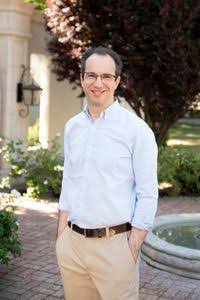
Matt Pittinsky
Survival requires the district to act like a competitor. That means signature programs families cannot find elsewhere and aggressive outreach to ESA households. It also means honest data on why families leave. Finally, closed campuses should become revenue through leases or partnerships rather than sitting empty.
Notably, board members Amy Carney and Carine Werner wanted to pause and explore other financial options. Their instinct deserves follow-through, even after losing the vote.
The Clock Is Running
Voters will weigh SUSD’s $375 million bond on Nov. 3. Before then, the district should show what comes after closures. ESA growth is no longer a forecast. Instead, it is the operating environment. Scottsdale Unified can adapt to it, or keep closing schools until little is left to close.
Discover more from Arizona Progress Gazette
Subscribe to get the latest posts sent to your email.