

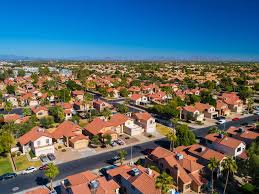
Photo Credit: AZ Central
Phoenix recently approved a controversial “middle housing” ordinance that will reshape how its historic neighborhoods develop. The decision, made under pressure from state law, allows duplexes, triplexes, and fourplexes in areas previously zoned exclusively for single-family homes, including beloved historic districts like Willo, Encanto-Palmcroft, and Los Olivos.
The resistance was fierce. Neighborhood advocates warned of bulldozed century-old homes, decimated historic character, and communities fundamentally transformed beyond recognition. One resident predicted flatly that within a year, the landscape would be completely different and historic districts would be decimated.
But here’s the uncomfortable reality those concerns overlook: Arizona faces a severe housing affordability crisis, and Phoenix sits at its epicenter.
According to recent data, the typical home price in Arizona reached over $427,000 by March 2024, with median rent at $1,600. For minimum-wage workers, affordable rent would be $745 per month, just over half the cost of a one-bedroom apartment in Arizona’s current rental market. That means people with low incomes would need to work 76 hours a week to afford a one-bedroom apartment.
The choice Phoenix faced was stark: craft local rules to manage middle housing development, or let state law take effect automatically on January 1, potentially losing all local control over where and how multi-family structures are built. City officials chose pragmatism.
The fundamental question isn’t whether we value historic neighborhoods; it’s whether we value them more than we value housing accessibility for the next generation. When century-old homes become exclusive luxuries affordable only to the wealthy, have we truly preserved the community fabric, or just created attractive museums for the privileged?
Government’s role isn’t to lock neighborhoods in amber while housing costs spiral beyond reach. It’s to balance competing values with pragmatism; preserving what we can while ensuring communities remain accessible and economically diverse.
Phoenix made the practical choice: managing middle housing development locally rather than ceding control entirely. In a housing market where only 39% of Arizona employees at median wages can afford a one-bedroom apartment, that pragmatism isn’t just prudent policy…it’s a moral imperative.
Historic preservation matters. Housing affordability matters more. Finding solutions that address both, even imperfectly, is what responsible governance looks like.
Discover more from Arizona Progress Gazette
Subscribe to get the latest posts sent to your email.