

By Ronald Sampson
The seven states that share the Colorado River have now blown through two consecutive deadlines to renegotiate water-sharing rules. They missed November 2025. They missed February 2026. With the existing federal guidelines expiring this fall, the U.S. Department of the Interior is increasingly likely to impose its own interim framework on the basin, whether the states agree or not. For Scottsdale and the rest of the Valley, that is not a procedural footnote. It is a warning about the life we have built here.
We have covered this crisis before. The short version: the 1922 Colorado River Compact divided water that, in many years, does not exist. Scientists warned the negotiators at the time. The flows recorded in the late 1890s were already dangerously low. The negotiators chose optimism over evidence, and a century of over-allocation followed. The river is now down roughly a third from its 20th century average.
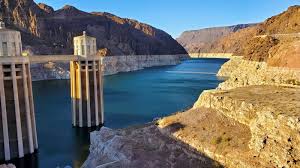
Photo Credit: Utah State University
Arizona Is First in Line for Pain
The Compact’s “first in time, first in right” doctrine sounds fair in the abstract. In practice, it means Arizona, as a Lower Basin state with younger water rights, absorbs cuts before California and Nevada feel a thing. This is not a hypothetical. Shortage tiers have already triggered real reductions to Central Arizona Project allocations, the system that delivers Colorado River water to the Phoenix metro and to Scottsdale’s taps.
Brad Udall, a senior water and climate researcher at Colorado State University, put it plainly in a recent CBS News report: “We have too many straws in this glass.” He also noted that roughly 70% of Colorado River water goes to agriculture, and that the path forward likely includes paying farmers not to irrigate. That is a significant economic disruption. But for urban Arizona, the disruption could be even more personal.
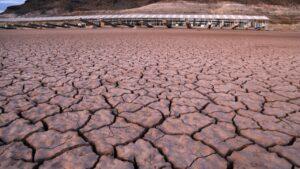
Photo Credit: ABC15
What This Means for the Way We Live
Scottsdale’s Advanced Water Purified Recycled Water program represents genuine forward thinking. The city has invested meaningfully in diversifying its supply. But recycled water is a supplement, not a substitute. If federal guidelines impose significant cuts to Lower Basin allocations before a new Compact is in place, no amount of local innovation fully closes that gap.
The question worth sitting with is this: what does Scottsdale look like with substantially less water? The golf courses, the lush landscaping, the growth projections, the development approvals, the very character of this desert city as it has chosen to present itself. None of that was designed for scarcity.
A Temporary Fix Is Not a Real Fix
Udall believes a lasting agreement is unlikely before 2027 at the earliest. He expects the federal government to issue a management protocol that carries the basin through next year, then real negotiations to resume. That is the best-case scenario: another year of delay while the river continues to decline.
Scottsdale has done more than most cities to prepare. But preparation and complacency can look similar from the outside when the water still runs freely. It will not run freely forever, and the people making decisions in Washington and in seven state capitals are not moving with anything close to the urgency the situation demands.
This story is not going away. Neither is the drought.
Discover more from Arizona Progress Gazette
Subscribe to get the latest posts sent to your email.