

By Vanessa Rogers
Phoenix is now weighing a water rate increase, and the reason is the Colorado River. That should worry Scottsdale far more than it worries Phoenix. Reclamation finalized a decade-long operating framework on July 31. Lake Mead then fell to its lowest level on record. Scottsdale, for its part, quietly spent $8.25 million on stored groundwater in June.
Those developments belong in the same story. Together, they explain why the next decade of Scottsdale politics will be about water.
Phoenix Is Already Preparing Customers
Phoenix has told residents that a rate hike is on the table as the river shrinks. The city expects to move to a Stage 2 Water Warning by the end of 2026. That stage allows drought surcharges alongside expanded conservation programs.
Meanwhile, Phoenix has spent years hedging. It built pipeline capacity to shift toward Salt River Project supplies. It banked water underground. It has pursued Bartlett Dam expansion and recovery wells.
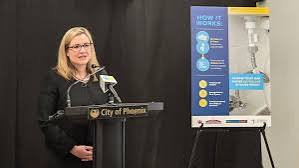
Phoenix Mayor Kate Gallego. Photo Credit: City of Phoenix
Here is the uncomfortable part: Phoenix draws roughly 40 percent of its drinking water from the Colorado River. Scottsdale draws about 70 percent.
The City With Less Exposure Is Moving First
Read that comparison again. The city with the smaller river dependency, the deepest bench of alternative supplies, and the most aggressive infrastructure program is the one telling customers to expect higher bills.
Scottsdale has none of those advantages. It has no Salt and Verde share comparable to Phoenix. Furthermore, it defunded its Advanced Purified Recycled Water program just as reuse became essential. Consequently, when the cuts land, Scottsdale has fewer places to turn and less time to turn there.
Rate increases follow that math. They always do.
The Number Everyone Feared
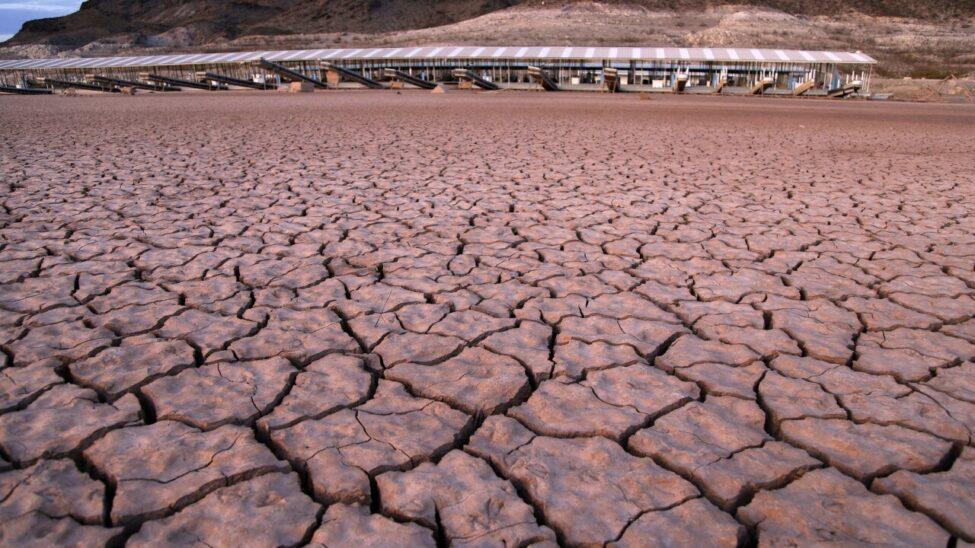
Lake Mead’s surface dropped to 1,040.50 feet on Thursday, breaking the July 2022 record. The reservoir now sits near 27 percent of capacity. Lake Powell hovers around 23 percent and could set its own record shortly.
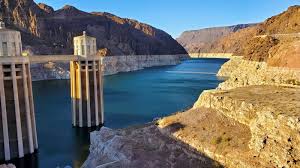
Photo Credit: Utah State University
Combined storage in the two reservoirs is the lowest since 1957. That year, Powell did not yet exist. In other words, the system holds less water than it did before half of it was built.
The causes are not mysterious. A dismal snowpack, a brutally hot spring, and 25 years of drought have collided with demand that never adjusted.
Reclamation Showed Its Hand
The Bureau of Reclamation’s final environmental impact statement sets a 10-year framework through 2036. It exists because the seven basin states could not agree on anything.
Lower Basin cuts begin near 1.5 million acre-feet per year on October 1. Furthermore, those cuts could reach 3 million acre-feet if conditions deteriorate. Arizona absorbs the largest share. Under the anticipated guidelines, Arizona users would lose 760,000 acre-feet once Mead drops below 1,145 feet. California would lose 440,000. Nevada would lose 50,000.
Mead currently sits more than 100 feet below that trigger.
Arizona officials called the plan unacceptable and attacked its legal foundation. Governor Hobbs retained outside counsel this spring. Consequently, Arizona may spend years litigating a shortage that litigation cannot refill.
Scottsdale Wrote a Check in June
City Council voted unanimously on June 23 to buy 15,000 acre-feet of long-term storage credits for $8.25 million. The seller was Vidler Water Company. That water sits underground in the Harquahala Valley, roughly 60 miles west of Phoenix.
The math works out to about $550 per acre-foot. By current standards, that is a bargain. Meanwhile, the purchase lifts Scottsdale’s total stored credits to nearly 293,000 acre-feet.
Councilman Barry Graham argued the item belonged on the consent agenda. Mayor Lisa Borowsky pushed for an out clause instead. Nevertheless, the council followed Councilwoman Solange Whitehead’s motion to approve.
Credits Are Not the Same as Water
Here is the catch. Scottsdale cannot currently move that water anywhere. The city needs infrastructure to inject Harquahala supplies into CAP canals, and both CAP and ADWR must sign off. That process is estimated at roughly two years.
Sarah Porter of ASU’s Kyl Center for Water Policy raised the harder question. Can Scottsdale actually deliver alternative supplies to a treatment plant and then out to the northern edge of town? Supply is one problem. Plumbing is another entirely.
Infrastructure costs money. Ratepayers supply that money. Nobody should pretend otherwise.
What It Means for the Growth Debate
City officials say restrictions are not needed right now. That is accurate, and it is also the whole point. Purchases like June’s exist specifically to postpone that day.
However, the arithmetic gets harder with every approved rooftop or apartments. Scottsdale keeps entertaining significant residential density downtown while its primary supply shrinks by federal design.
Residents should ask candidates two questions this fall. How many more homes does Scottsdale add before the water math stops working? Moreover, who pays for the plumbing when it does?
Phoenix is answering the second question already. Scottsdale has not started.
Discover more from Arizona Progress Gazette
Subscribe to get the latest posts sent to your email.