By Bedouin Bourdain
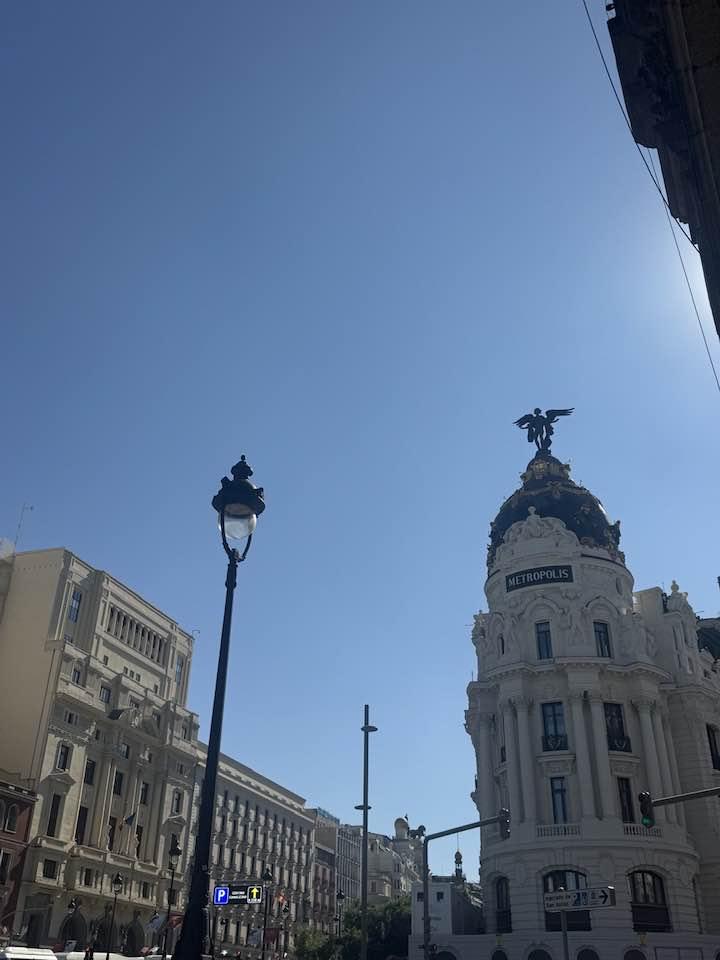
Madrid doesn’t seduce you with ancient ruins or Gothic spires piercing the heavens. It grabs you by the shoulders at 2 AM on a Tuesday, pulls you into a tapas bar you didn’t know existed, and refuses to let you sleep until you’ve understood something fundamental about what it means to be alive.
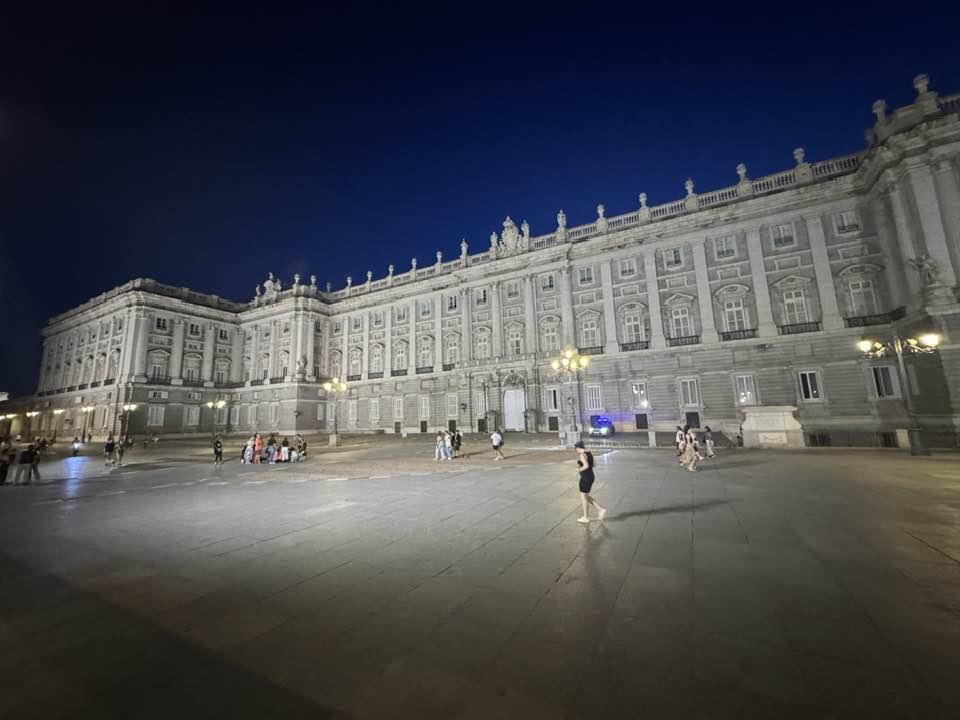
This is a city that operates on its own clock, where dinner doesn’t start until 10 PM and the night only truly begins when most cities are closing their doors. The Madrileños have mastered something other capitals still fumble with: the art of living deliberately, stretching each day until it surrenders every last drop of possibility. You’ll find businessmen in pressed suits standing shoulder-to-shoulder with artists and students at zinc countertops, all united in the democratic ritual of vermouth and conversation as the afternoon sun slants through centuries-old windows.
Walk the tree-lined Paseo del Prado as golden hour transforms the Prado Museum into something transcendent, where Velázquez and Goya whisper truths about the Spanish soul that guidebooks can’t articulate. Then lose yourself in the tangled medieval streets of La Latina, where each corner reveals another hole-in-the-wall serving jamón ibérico sliced so thin it dissolves on your tongue like a prayer.
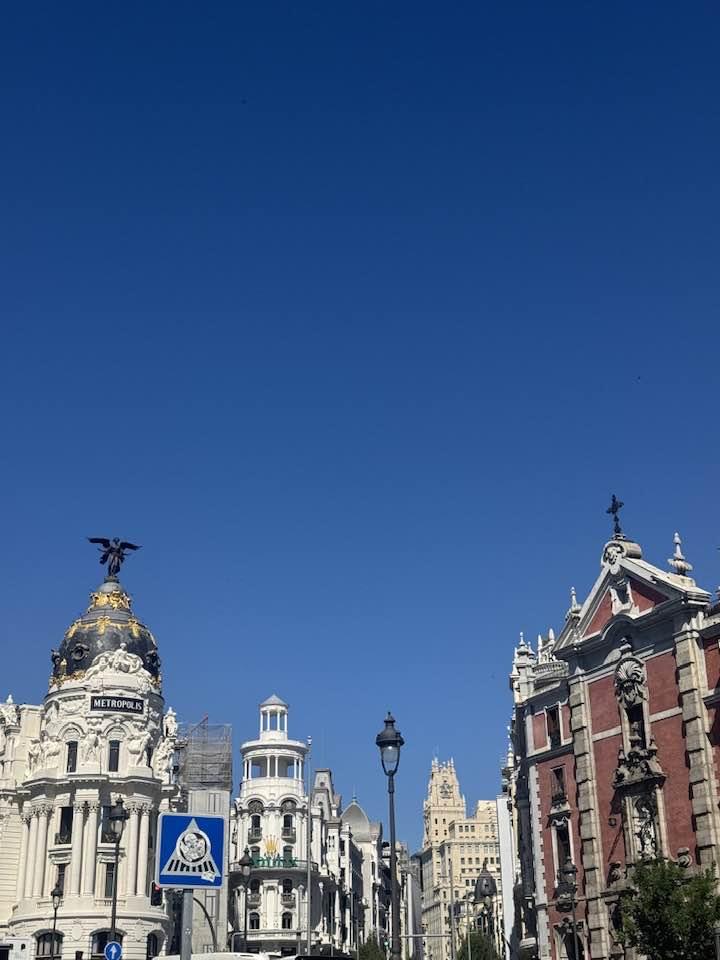
But Madrid’s genius lies not in monuments—though the Royal Palace holds its own—but in its plazas. Plaza Mayor, where history happened and still does. Puerta del Sol, the pulsing heart where Spain measures all distances and midnight on New Year’s Eve means twelve grapes and twelve wishes. These aren’t tourist attractions; they’re living rooms where the city gathers to argue, celebrate, and simply be.
The Retiro Park on Sunday afternoons becomes a masterclass in leisure, where families picnic, musicians perform, and fortune tellers read palms beneath ancient trees. This is where Madrid exhales, spreads out, and reminds you that a city isn’t measured by its skyline but by the quality of its idle moments.
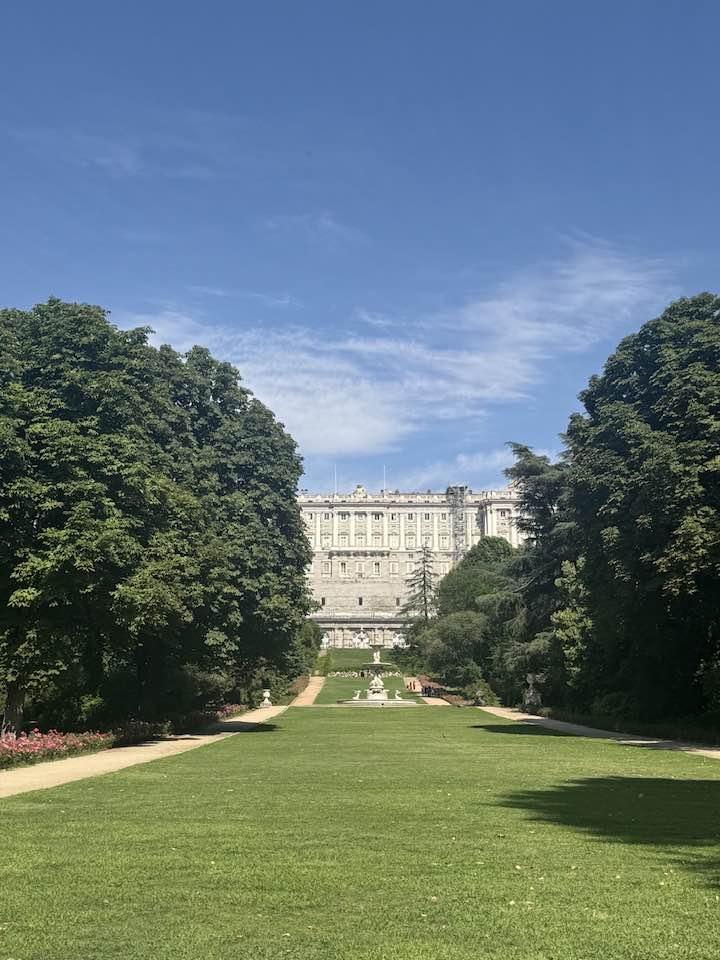
Yes, Madrid lacks the cathedral drama of its neighbors. But what it offers instead is something rarer: an unapologetic commitment to the present tense. It doesn’t ask you to genuflect before history. It invites you to participate in the ongoing miracle of a city that refuses to dim its lights, lower its voice, or apologize for demanding that you live as intensely as it does.
Come for the Prado. Stay because Madrid won’t let you leave until you’ve learned to properly live.