

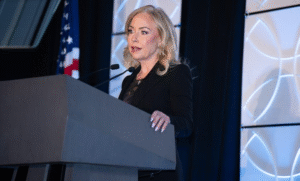
Photo Credit: scottsdalemayor.com
Mayor Lisa Borowsky delivered her State of the City address last Thursday with plenty to say about internal turmoil, staff departures, and the need for a Charter Review Committee. She spoke of accountability, transparency, and honoring the authority of voters. What she conspicuously didn’t mention? The single most contentious issue that has dominated Scottsdale politics for the past year: the Axon deal.
That silence speaks volumes. If Mayor Borowsky were truly proud of her November tie-breaking vote, the one that approved Axon’s 1,200-unit development and effectively killed a citizen referendum signed by 26,000 residents, wouldn’t she mention it? Wouldn’t she tout it as a victory for economic development, job creation, or thoughtful compromise? Instead, she chose not to acknowledge it at all.
The omission reveals what the mayor already knows: her vote is deeply unpopular with a significant portion of Scottsdale residents, and no amount of spin can change that.
Let’s be clear-eyed about what transpired. After residents collected more than enough signatures to send the original 1,900-unit proposal to voters, the state legislature passed what’s been dubbed the “Axon Bill”, legislation specifically crafted to strip Scottsdale voters of their right to challenge this particular development. When the city had multiple opportunities to lobby against the legislation, led by the mayor, it failed, unbelievably allowing a single corporation to push around an entire city. For comparison, can anyone imagine the Regent Beverly Wilshire prevailing in a fight with Beverly Hills before the California legislature? Of course not.
Only after the state effectively nullified the public’s voice did negotiations resume, resulting in the “compromise” Borowsky ultimately supported with her deciding vote.
Now TAAAZE, the citizen group behind the referendum effort, has filed a lawsuit challenging the legality of the memorandum of understanding itself. They argue it’s a zoning ordinance disguised as an administrative act, designed to circumvent the public process entirely. The merits of the lawsuit will have their day in court, but regardless, their persistence underscores a fundamental truth: this issue isn’t resolved just because some at City Hall want it to be.
Here’s the real test: if you’re confident in a decision, you defend it in your most significant speech of the year. But if you know that vote angered tens of thousands of constituents who fought for their democratic right to be heard? You stay silent and hope everyone forgets.
In her address, Borowsky called for honoring the authority of voters. Yet on Axon, that authority was systematically dismantled. The contradiction is glaring, and ignoring it in a speech about accountability and transparency only makes it more obvious.
The people of Scottsdale collected those signatures because they deserved a vote on the merits and because it was and is a constitutional right. They still deserve one. And no amount of strategic silence will change that fact.