


Scottsdale has never been shy about treating water like the scarce resource it is, and its latest pitch to offset Colorado River cuts proves it again. For decades the city has drawn roughly 70% of its supply from the Colorado River through the Central Arizona Project. However, federal shortage declarations and a shrinking Lake Mead have forced Scottsdale to get creative rather than simply cut back.
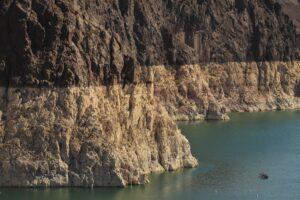
Lake Mead – Photo Credit: LATimes.com
A Two-Decade Head Start on Innovation
Scottsdale did not wake up to this crisis unprepared. The city has spent more than 20 years purifying recycled water and reinjecting it into the aquifer, a process that already supplies about 15% of daily demand. Now officials want to go further, piping that same ultra-purified water directly into the municipal drinking supply instead of routing it through groundwater storage first. That leap, called direct potable reuse, would make Scottsdale one of the few Arizona cities producing drinking water this way. Meanwhile, the city already holds Arizona’s first permit for direct use of recycled water, a distinction that speaks to genuine engineering ambition.
Weighing Cost Against Water Independence
The numbers have grown alongside the ambition. Early estimates pegged the advanced purification project at $15 million to $20 million, but current projections approach $100 million, pushing the timeline from 2027 out to 2030. Councilmember Solange Whitehead has argued the investment is worth it, framing the goal as greater water independence rather than dependence on a shrinking river. Not everyone agrees; Councilman Adam Kwasman has pushed back on the idea of reclaimed water reaching taps. Still, city staff under Water Resources leadership continue refining cost estimates and regulatory plans ahead of a spring presentation to council.
Innovation Beyond a Single Pipeline
The purification project is only one piece of a broader strategy. Scottsdale has also agreed to spend $8.25 million on 15,000 acre-feet of groundwater from the Harquahala Valley, and it continues studying a possible Bartlett Dam expansion alongside new demand management rules. Together, these moves show a city treating a genuine crisis as an engineering puzzle rather than a reason for panic.

Greg Caton. Photo Credit: City of Scottsdale
Extra credit is due to City Manager Greg Caton for his work. His work encapsulates the sort of innovation and leadership on a policy matter that sits second to few, including in the public safety space. That is the kind of forward-thinking planning other Arizona cities facing the same
Discover more from Arizona Progress Gazette
Subscribe to get the latest posts sent to your email.