

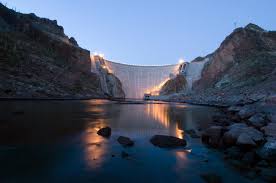
Photo Source: AZ Big Media
The collapse of Colorado River negotiations on November 11 wasn’t just a bureaucratic failure; it’s a warning sign that Arizona’s water future remains deeply uncertain. When Governor Katie Hobbs and bipartisan legislative leaders jointly urged federal intervention, calling Colorado River reliability “a matter of national security,” they weren’t being hyperbolic. The question isn’t whether Arizona faces water challenges, but how severe those challenges will become.
The current reality is sobering. Arizona remains under both drought emergency and drought declarations stretching into a third decade, with approximately 75% of the state under drought conditions as of early December 2025. The Colorado River Basin continues experiencing a Tier 1 shortage in 2025, representing an 18% reduction to Arizona’s Colorado River water supply: 512,000 acre-feet that won’t flow through the Central Arizona Project canal.
Yet here’s the paradox: most urban residents won’t notice immediate impacts. Cities like Scottsdale have invested millions in diverse water portfolios, combining renewable surface water, groundwater, and reclaimed water. The Salt River Project reports its supply remains above average despite recent dry conditions, benefiting from exceptional snowpack two winters ago. Arizona actually uses about as much water today as it did in 1957, thanks to decades of conservation efforts.
The real burden falls elsewhere. Agriculture absorbs nearly all CAP water reductions, and the standoff between Upper and Lower Basin states threatens to make things worse. Arizona has already agreed to significant cuts while Upper Basin states led by Colorado refuse meaningful conservation commitments. As Hobbs noted, “Arizona taking the brunt of that sacrifice” while others refuse to budge creates an untenable situation.
Should you be concerned? Yes, but with perspective. Urban water supplies remain relatively secure for now, but the trajectory is worrying. Director Tom Buschatzke warned that “the trends are definitely going in a hot and dry direction” and advised not expecting “much of a turnaround from where this drought is heading”. The 2024-2025 winter was the fourth driest on record, and climate forecasts suggest continued warm, dry conditions.
So what happens next? Interior Secretary Doug Burgum must now intervene, with new Colorado River guidelines required by October 2026. Arizona has allocated $1.5 million for potential litigation to protect its water rights if federal action proves inadequate. Meanwhile, the state is exploring ambitious alternatives, including potentially importing water from other states.
For residents, the message is clear: continue conservation efforts, stay informed about water policy decisions, and recognize that Arizona’s long-term prosperity depends on solutions that force all seven Colorado River states (not just Arizona) to share the burden of a shrinking river. The glimmer of hope exists, but it requires collective action and federal leadership willing to enforce equitable sacrifice across the entire basin.
Discover more from Arizona Progress Gazette
Subscribe to get the latest posts sent to your email.