

by Bedouin Bourdain
There is a version of South Africa that lives in the public imagination: dangerous, unequal, impossibly remote. Then there is the South Africa you actually encounter when you land, look around, and let the place work on you. The two versions rarely match. In fact, they are barely acquainted.
Johannesburg: More Alive Than Dead
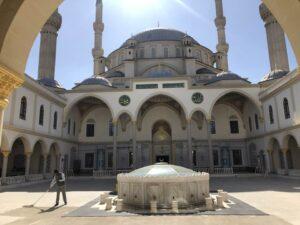
Most travelers bypass Johannesburg entirely, deterred by its reputation and reassured by their own caution. That is a significant mistake. “Joburg” carries its contradictions openly and without apology: electric fences alongside emerging art galleries, rolling power outages alongside one of the Southern Hemisphere’s grandest mosques. The city is a congress of ethnic communities, from Zulu to Xhosa and Swazi, that recalls the richness and complexity of Native American tribal culture in the American Southwest.
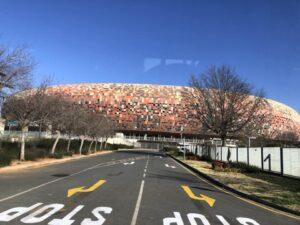
The famous Vilakazi Street, the only road in the world to have produced two Nobel Peace Prize winners, Nelson Mandela and Desmond Tutu, runs quietly through Soweto like a living sermon on what suffering and dignity can produce together. The post-apartheid neighborhood of Maboneng, which Forbes has called one of the twelve coolest neighborhoods on earth, pulses with creative energy that rivals anything Brooklyn or East Austin might offer. Nearby, the Victoria Yards urban renewal project has transformed industrial decay into something genuinely extraordinary.
A city that once imprisoned both Mandela and Gandhi now wears its scars as evidence of survival rather than defeat. Yes, the crime statistics are real and the unease is present. But so is the joy: a restless, unfinished, forward-leaning energy that resists easy summary and rewards the traveler willing to look past the headline.
Cape Town: Where the World Runs Out of Land
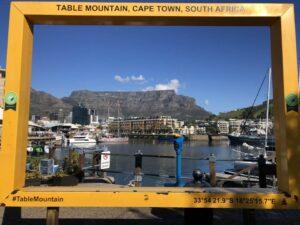
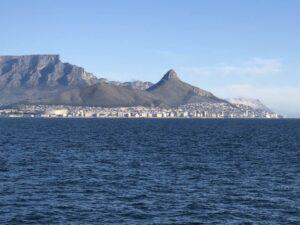
If Johannesburg challenges your assumptions, Cape Town simply overwhelms them and then asks you politely to sit down. There may be no finer fusion of natural landscape and layered human history anywhere on the planet. Table Mountain, impossibly flat across its summit as though leveled by some deliberate hand, presides over a harbor that rivals Sydney and Rio with quiet confidence. The Twelve Apostles range frames sunsets that feel almost theatrical in their generosity. On clear days the light here has a quality that painters spend careers chasing.
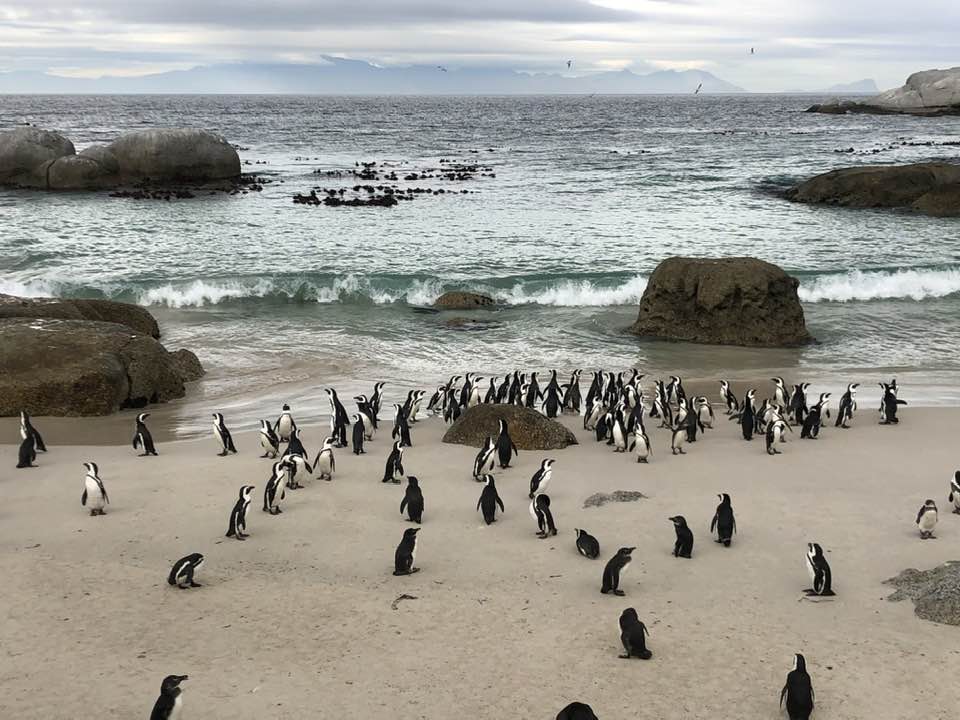
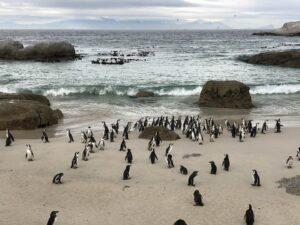
African penguins parade along Boulders Beach in Simon’s Town, seemingly indifferent to the humans gawking at them, just miles from internationally acclaimed wine country producing bottles that hold their own against anything from Bordeaux or Napa. The V&A Waterfront hums with world-class restaurants, galleries, and boats heading toward Robben Island, where apartheid’s most famous prisoner spent 27 years becoming its most luminous symbol. The culinary scene alone would justify the journey. Combined with the scenery and the history, Cape Town becomes genuinely difficult to leave.
To stand at the Cape of Good Hope, the raw southwestern tip of the African continent, is to feel both very small and very fortunate. This is where oceans collide and continents end. The drama of the landscape feels proportionate to the drama of the history it has witnessed.
The Broader Truth About South Africa
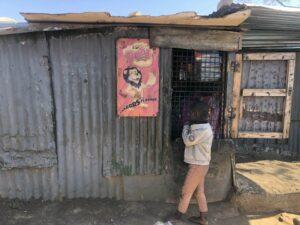
South Africa asks something of the visitor that most destinations simply do not: honest, sustained attention. The inequality is visible and undeniable; the beauty is equally impossible to look away from. A child peering through the barred window of a corrugated tin shop in Soweto; the soaring dome of a mosque rising over Johannesburg; the impossible geometric flatness of Table Mountain seen from open water: these images do not cancel each other out. They coexist, as they do throughout the country, in a tension that feels less like contradiction and more like the complicated truth of a place still very much in the process of becoming.
Travel surprises when it is working at its best. South Africa surprised at nearly every turn: in its resilience, its staggering landscapes, its history still echoing audibly through streets and townships and mountainside viewpoints. The public trope about this country, whether rooted in fear or romance, misses the point almost entirely.
Come for the scenery. Stay for the story. There is only one South Africa, and it is worth every hour it takes to reach it.
Discover more from Arizona Progress Gazette
Subscribe to get the latest posts sent to your email.