


For a century, the Colorado River has been governed by a fragile set of deals among seven states. This month, Arizona decided those deals were no longer enough. On October 16, Gov. Katie Hobbs and the Arizona Department of Water Resources moved to join Nevada’s lawsuit against the U.S. Department of the Interior.

Photo Credit: ABC 15
Then, on October 27, the Central Arizona Project asked to join as well. The CAP canal carries river water to Phoenix, Tucson and Scottsdale. As a result, few lawsuits matter more to Arizona’s future.
What Washington Decided
In August, Interior released new guidelines for managing the shrinking river. Under that plan, Arizona faces a cut of 760,000 acre-feet, or roughly 30% of its Colorado River allocation. CAP’s share drops by about half.
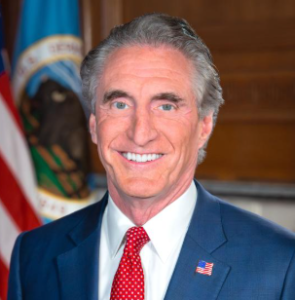
Doug Burgum, Secretary of the Department of the Interior
Meanwhile, Colorado, Utah, New Mexico and Wyoming face no mandatory cuts at all. The four Upper Basin states are asked only to meet voluntary conservation goals.
“Arizona has always been willing to do our part to protect the Colorado River,” Hobbs said. “But we will not accept a forced federal plan that solves this crisis on the backs of our families, farmers, and businesses.”
What Arizona Is Arguing
The lawsuit claims Interior violated federal law and the 1922 Colorado River Compact. In particular, Arizona argues the plan lets the Upper Basin states send less water down the river than the compact requires.
CAP general manager Brenda Burman put it simply. “The Colorado River is smaller and can’t be saved on our shoulders alone,” she said.
Interior Secretary Doug Burgum sees it differently. According to AZFamily, he said Arizona holds junior water rights and argued that a judge should not decide where the water goes.
Legal experts expect a long fight. One told Bloomberg Law that Arizona’s move “virtually guarantees” the dispute will reach the U.S. Supreme Court.
What It Means for Scottsdale
Scottsdale has more at stake than most. Colorado River water makes up nearly 70% of the city’s supply, and about 90% in north Scottsdale. Moreover, ASU water expert Sarah Porter has warned that Scottsdale “needs to be prepared for a potentially 100% cut in supplies in the years to come.”
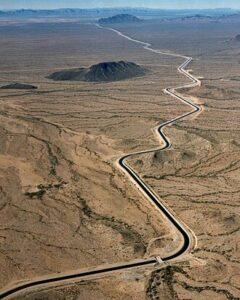
Central Arizona Project
Scottsdale’s own preparation has also shifted. In June, the City Council unanimously passed a $2.1 billion budget. It set aside $100 million for “water source and supply” but left out $233 million in specific water projects. That change paused the city’s plan to add purified recycled water directly to its drinking supply by 2027. During the debate, Councilman Barry Graham moved to pass the budget without a separate $20 million water request from Councilwoman Solange Whitehead. That motion also passed unanimously, with Whitehead voting yes.
City officials say Scottsdale’s commitment to water security has not changed. However, the lawsuit is a reminder that the river may not wait for local politics.
The Road Ahead
A court fight could take years. In the meantime, Arizona will keep negotiating with California and Nevada on a separate Lower Basin agreement. Water managers will keep planning for less.
For Scottsdale, the question is simple. If the river delivers far less, what fills the gap? With a new City Council taking office in January, voters should expect a clear answer.
Discover more from Arizona Progress Gazette
Subscribe to get the latest posts sent to your email.