

By Alexander Lomax
via A Department of Water Resources
The Numbers Are Not Subtle
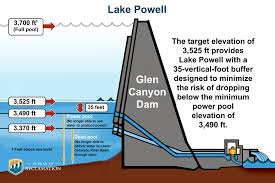
Scottsdale gets roughly 70 to 75 percent of its tap water from the Colorado River via the Central Arizona Project canal. The current agreement governing CAP allocations expires at the end of 2026. Negotiations among the seven Colorado River Basin states have stalled. The federal government may impose cuts when that agreement lapses. Water experts have warned that cities like Scottsdale need to be prepared for a potentially 100 percent cut in CAP supplies in the years to come.
One hundred percent. Not a rounding error. It may be a worst-case footnote but it’s also a plausible scenario that water policy professionals are saying out loud, in public, at city meetings.
So naturally, Scottsdale just defunded its water recycling program.
What the City Had and What It Chose
In 2024, the Scottsdale City Council adopted a six-year strategic water plan. It included a program called Advanced Purified Recycled Water, known as APRW, which would have made Scottsdale the first city in Arizona to implement direct potable reuse: purifying wastewater and sending it back into the taps. Experts described it as cost-effective, shovel-ready relative to other options, and the most logical near-term replacement for diminishing CAP water.
Photo Credit: Utah State University
Last week, the council unanimously passed a $2.1 billion budget for fiscal year 2026-27. The budget excluded $233 million for various water projects, both active and planned. In its place: a $100 million line item for “water source and supply,” a phrase flexible enough to mean almost anything.
Council member Solange Whitehead, to her credit, raised the alarm directly. She told the council that the budget had defunded two of the four critical water projects the city needs, and that city manager Greg Caton, by omitting them, had effectively changed city policy without a policy vote. The city’s response was that the “source and supply” funding could potentially include APRW. Could. Potentially.
Politeness Has Its Limits
The public comment session at the budget meeting included Bruce Hallin, the former director of water supply for the Salt River Project. His assessment: Scottsdale is not yet in a crisis. The implication of the word “yet” deserves more attention than it apparently received.
Part of what drove the defunding was misinformation. The APRW program, sometimes called “toilets to taps” by its critics, became a target for the kind of social-media-driven panic that treats water recycling as somehow less acceptable than running out of water entirely. It is worth noting that Phoenix, Mesa, and Glendale are all pressing forward with purified water reuse programs. They seem to have done the math.
The Question That Needs an Answer
Scottsdale’s leaders are not indifferent people. Several have shown genuine concern about the city’s long-term water position. But concern and action are different things. Defunding the program the city’s own strategic plan identified as the priority solution, in the same budget cycle that water experts are warning of potential catastrophic CAP cuts, requires an explanation more substantive than a flexible line item.
The current agreement expires in months. The clock does not care about budget cycles or talking points. The question is whether Scottsdale’s leadership understands the urgency with the same clarity the experts do.
Discover more from Arizona Progress Gazette
Subscribe to get the latest posts sent to your email.