

Photo Credit: Times Now
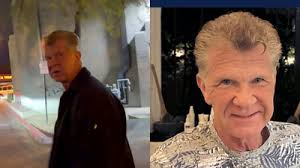
Mark Holodnak, treasurer for Arizona’s Legislative District 12 Democrats, lost his job and resigned from his party position this week after video surfaced of him screaming vulgar obscenities at young women outside a Phoenix Zipps Sports Grill. His crime? The women had reportedly taken selfies with federal immigration agents.
“You little f**king c**ts!” Holodnak shouted repeatedly, chasing the women through a parking lot as fellow protesters surrounded them with cameras. The women fled to safety while the mob cheered. Holodnak later apologized, claiming his words “do not reflect my values or intentions.” His real estate employer, HomeSmart, swiftly terminated him.
This incident is disturbing on its face: a grown man verbally assaulting young women for the perceived sin of supporting law enforcement. But it’s also symptomatic of something darker eating away at our political culture, regardless of party affiliation.
We’ve seen this before. When former Arizona Attorney General Mark Brnovich died suddenly of a heart attack at age 59 a few weeks ago, leaving behind a wife and two daughters, some couldn’t resist celebrating. As the Arizona Progress & Gazette reported, a former chair of a local district Democrats group posted their satisfaction on social media, treating a political opponent’s death as a victory rather than a tragedy.
Brnovich’s story was quintessentially American: the son of Serbian immigrants who rose from gaming regulator to the state’s top law enforcement officer. Whatever one thought of his politics, his passing at 59 deserved basic human decency. Instead, some chose tribal point-scoring over shared humanity.
These incidents reveal something troubling: extreme partisanship doesn’t just make us disagreeable…it makes us cruel. It transforms ordinary people into versions of themselves they wouldn’t recognize, screaming at strangers or celebrating death because algorithms and echo chambers have convinced us the “other side” isn’t fully human.
Holodnak likely didn’t wake up that morning planning to terrorize young women. The Democrats who celebrated Brnovich’s death probably aren’t monsters in their daily lives. But partisanship provided permission to abandon basic decency, to treat political opponents as obstacles rather than people with families, stories, and inherent worth.
This darkness knows no party. It lives in all of us, waiting for the right trigger to emerge. The only antidote is remembering that before someone is a Democrat or Republican, they’re human: worthy of dignity, especially when we disagree.