

Photo Source: AZ Big Media
The Colorado River has been in trouble for a long time. But a new wave of reporting suggests the situation may be moving from chronic to acute, with Lake Powell potentially reaching “deadpool” status before the end of 2026. For the 40 million people across seven states who depend on the river, this is no longer a distant warning…it is arriving on schedule.
What “Deadpool” Actually Means
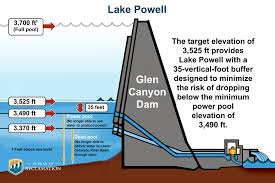
The term sounds dramatic, but the mechanics are straightforward and alarming. Water levels at Lake Powell currently sit at around 23% of full pool. If they drop too low, the dam loses its ability to generate hydropower. Drop further still, and water can no longer be released downstream at all. The Colorado River Basin has been plagued by a 25-year drought that has drained its main reservoirs to historic lows, and the latest federal forecasts offer little comfort. According to The Colorado Sun, the most probable outlook for this year shows flows likely to be just 38% of normal during the critical April-through-July runoff period.
via A Department of Water Resources
The Infrastructure Problem Nobody Wants to Talk About
Here is where the story gets particularly troubling. Arizona officials and water managers are raising an uncomfortable question: could the dam itself be reengineered to function at lower water levels, buying time while negotiations drag on? Right now, water flows through hydropower penstocks that require a minimum elevation of around 3,500 feet. There are bypass valves lower in the structure, but federal officials have quietly acknowledged the aging infrastructure was never designed to handle the volumes and velocity needed for downstream delivery obligations. Risks including sediment buildup and cavitation, essentially the destructive collapse of air bubbles inside the system, make using those lower valves a gamble. Terry Goddard, president of the Central Arizona Water Conservation District board, has been vocal that the federal government’s failure to even explore major infrastructure improvements is, in his words, incomprehensible.
A Negotiation Going Nowhere Fast
Meanwhile, the states remain gridlocked. The Bureau of Reclamation’s latest forecast predicts Lake Powell will most probably drop below the critical minimum power pool level before the end of this year, jeopardizing Glen Canyon Dam’s structural integrity. States blew past a February 14 deadline to reach a post-2026 management agreement, triggering the federal government to move forward with imposing its own plan. Under the default federal scenario, Arizona would bear the largest mandatory cuts, yet even those cuts may not be enough to keep the reservoir functional.
Hope, Shrinking by the Season
Arizona is pushing for creative solutions: infrastructure upgrades, releases from upstream reservoirs, a reexamination of who bears the burden of conservation. These are not unreasonable asks. But they are being made against a backdrop of worsening hydrology, political stalemate, and an aging dam that was built for a wetter world. The Colorado River crisis has been “looming” for so long that the word has lost its urgency. What is becoming clear is that the looming is almost over.
Discover more from Arizona Progress Gazette
Subscribe to get the latest posts sent to your email.